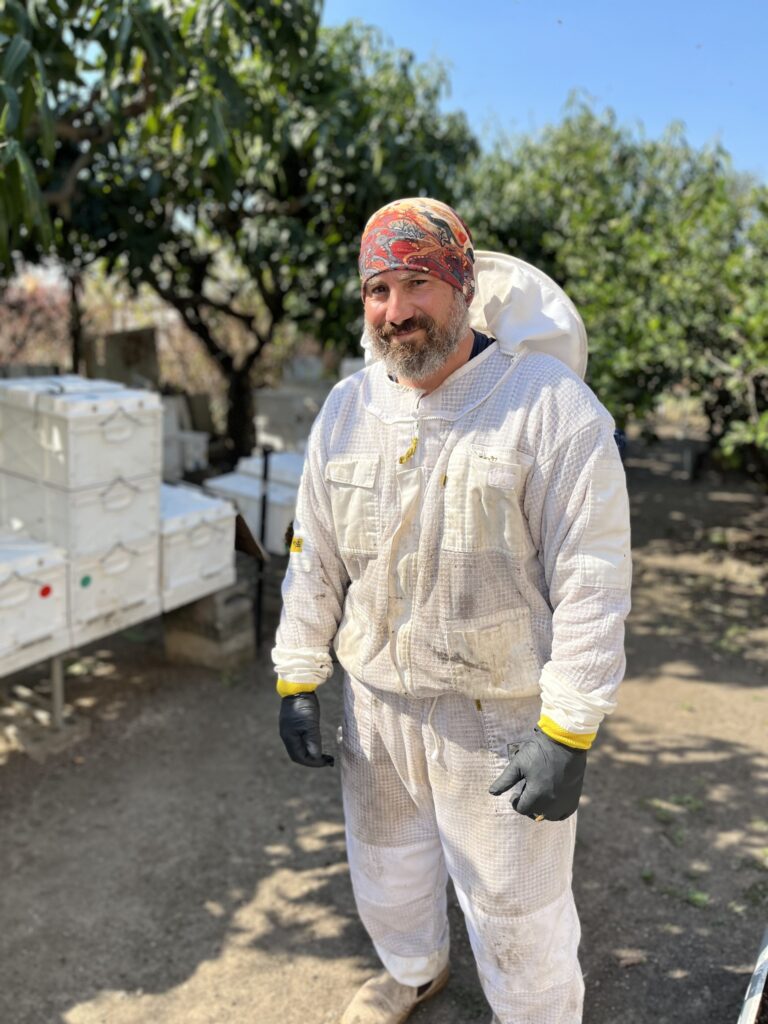
Brisbane beekeepers say regulatory red tape has left them with too few effective treatments against Varroa Mite, even as colonies collapse across the city.
George Paterdis, of Brissy Bee in Coorparoo, treats his hives using methods approved by Australian regulators, including permitted, organic oxalic acid products. The Australian Pesticides and Veterinary Medicines Authority (APVMA) has issued emergency permits for several oxalic acid-based treatments, but their use is restricted by permit conditions.
He said mites resistant to synthetic treatments were now present in Queensland, while overseas methods were not suitable for local conditions.
All options are expensive at scale. Mr Paterdis said oxalic acid strips cost about $127.50 plus postage for 60 strips and must be used within 24 hours of opening. A treatment lasts about six weeks and cannot be repeated back to back, so beekeepers need a different treatment in between.
Some beekeepers can make about 150 strips themselves for roughly the same cost, with a shelf life of up to 12 months, but they are not authorised to make or use them under current regulatory arrangements.
Under the permits, oxalic acid strips can be applied once a year and oxalic acid vaping on two occasions. Beekeepers who use treatments outside permit directions risk fines.
“No responsible beekeeper is asking to use untested products or ignore treatment directions,” Mr Paterdis said.
“We were provided with limited treatment options at the time, and the approved products we were directed to use did not achieve the results expected in real production conditions.”
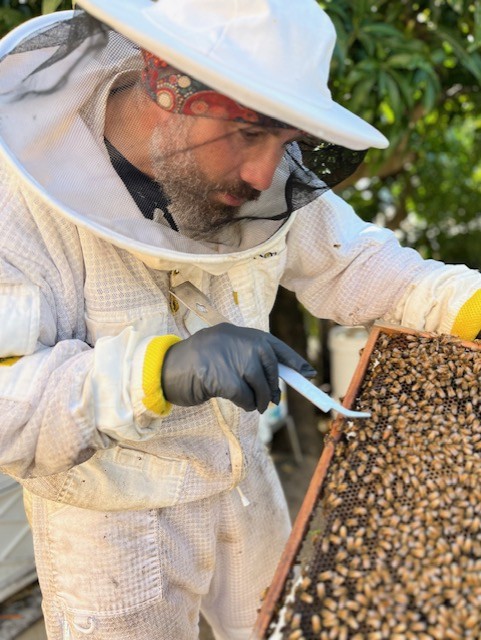
Photography: Rob Mellett
Queensland Beekeepers Association Brisbane branch secretary and treasurer Mark Ansell said resistant Varroa Mites continued to spread “like wildfire”, with some members reporting losses of “80 to 100 per cent” of their hives.
Mr Ansell said access to effective oxalic acid treatments remained a central industry concern.
“There’s no scientific evidence that mites can develop resistance to oxalic acid, yet we’re just not being allowed full access to it,” he said.
He said delays in mite-sample testing for resistance to treatment had left some beekeepers waiting about a month for results while colonies continued to deteriorate.
An estimate reported by the ABC put the loss of feral honey bee colonies in south-east Queensland at about 90 per cent, while many managed colonies have either collapsed or are under threat.
Mr Paterdis said about half of his production colonies had been lost and he had lost hundreds of thousands of dollars in the past financial year (2025–26).
“You can do the right thing – monitor your hives, follow the instructions and treat on time – and still watch colonies weaken,” he said.
Jeff Wecker, a Carina-based recreational beekeeper and advocate, agreed that current treatment restrictions were unrealistic for Queensland’s climate.
“If we did what the government wanted, our bees would stay alive for about two months and then die,” he said.
“We must manage the bees now. We don’t need pie in the sky, ‘oh, we’ve got to fund this research and that research.’ If the Department of Primary Industries (DPI) wants to do something simple it should set up a program where beekeepers can make their own oxalic acid strips, be accredited to deal with chemicals safely, and give us proper regulations that work for our climate.
“In New Zealand and many other countries, beekeepers are allowed to make oxalic strips for 70 to 90 cents a strip. There’s just a disconnect between federal government regulations and what we really need.
“Of all the managed hives in Australia, half of them are managed by backyard beekeepers. Neither the federal government nor the state level have engaged directly with recreational beekeepers. Basically, half the beehives in Australia are unspoken for when it comes to pulling weight with the government.”
He said the financial damage extended beyond the loss of individual colonies.
“I have a commercial beekeeper friend… in the last financial year – and he’s a sole operator, just one guy – he has lost $160,000. That’s out of pocket; money he has to find to recover.”
Mr Wecker ran a federal e-petition last month calling for easier access to oxalic acid treatments and greater support for beekeepers facing Varroa losses.
The National Varroa Mite Management Program ended in February 2026, along with the roles of six Varroa Mite development officers across Queensland.
A bee biosecurity officer and an engagement officer are supporting beekeepers with mite detection and management.
The department has provided almost $500,000 through its Community Bee Innovation Fund since 2023.
“DPI is committed to working with beekeepers to manage the effects of Varroa mite through early detection, effective hive health management and decontamination,” a DPI spokesperson said.
As of September 21, 2026, Varroa Mite had been detected in 28 local government areas, according to Queensland Government data.