I know we’ve come a long way
We’re changing day to day
But tell me, where do the children play?
Cat Stevens (1970)
Cat Stevens’ question is more urgent than ever in our community.
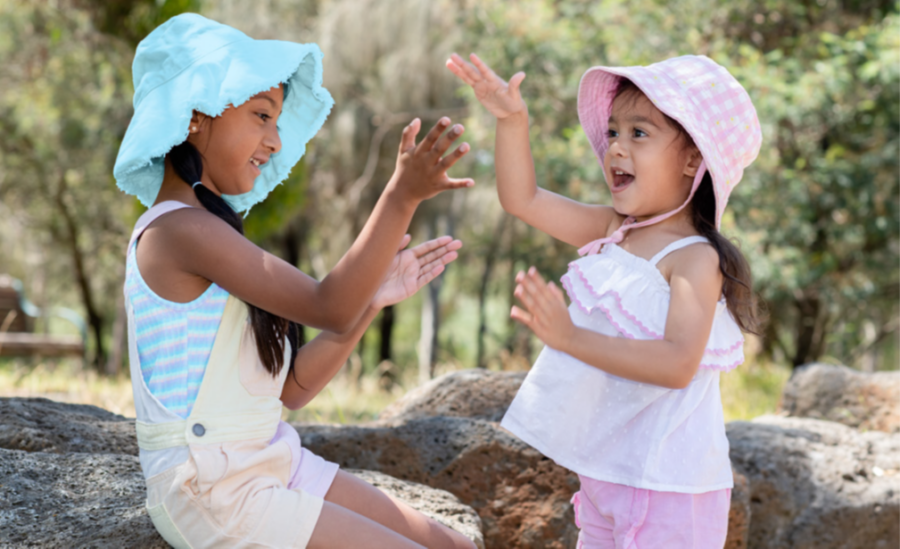
Play, especially free outdoors play, is of key importance for a child’s learning, confidence and wellbeing. It is a developmental necessity. When children engage in unstructured, child‑led play with siblings and peers, they build resilience, social skills and the ability to manage stress. Outdoors, they gain freedom, movement, nature, and sunlight – all of which support healthy development.
Less than half (45 per cent) of Australian children play outdoors most days. Barriers include concerns about safety, weather, excess screen time and a need for supervision. Playing outdoors gives children greater freedom, with exposure to the natural environment. Safe risky play – climbing, exploring, testing limits – is important to build skills in managing risk.
Green spaces are central to outdoor play, but our community is losing them. The unique natural environment for children and others of Victoria Park has been stolen from our children and grandchildren. In New Farm Park, built structures continue to encroach on areas previously used for play. We are seeing a greater urban density without associated green space.
Street design shapes children’s independence. A 30 km/hr speed limit on residential streets and around schools significantly improves safety, enabling children to walk or cycle to school and meet friends outdoors. Slower streets create communities where children can move confidently and parents feel more comfortable letting them play.
Air pollution impacts on us all. Children experience the greatest health impacts from traffic pollution, especially from diesel vehicles. Monitoring air quality near schools and parks would help ensure that the places where children live and play are genuinely healthy.
Heat and rain prevent daily outdoor play. Our city’s tar and cement magnify the heat load whereas increased tree canopy and green space lowers temperatures, allowing children more time outdoors. Brisbane City Council is aiming for 50 per cent tree canopy for where we walk and ride by 3031, up from 32 per cent in 2019. In our community trees lost are not being replaced and significant planting isn’t happening. The mini- forest next to the New Farm library, planted by New Farm Primary school students, shows what is possible – a cool, safe, nature‑rich play space created through community effort.
We find indoor screen time, with all its negative impacts, displacing outdoor play, despite parents (80 per cent) wanting their children to play outdoors.
With the understanding “it takes a village to raise a child”, then our village must champion environments that support play – through green spaces, safe streets, clean air and climate‑ready planning. The question “where do the children play?” should guide how we design our neighbourhoods and our future.