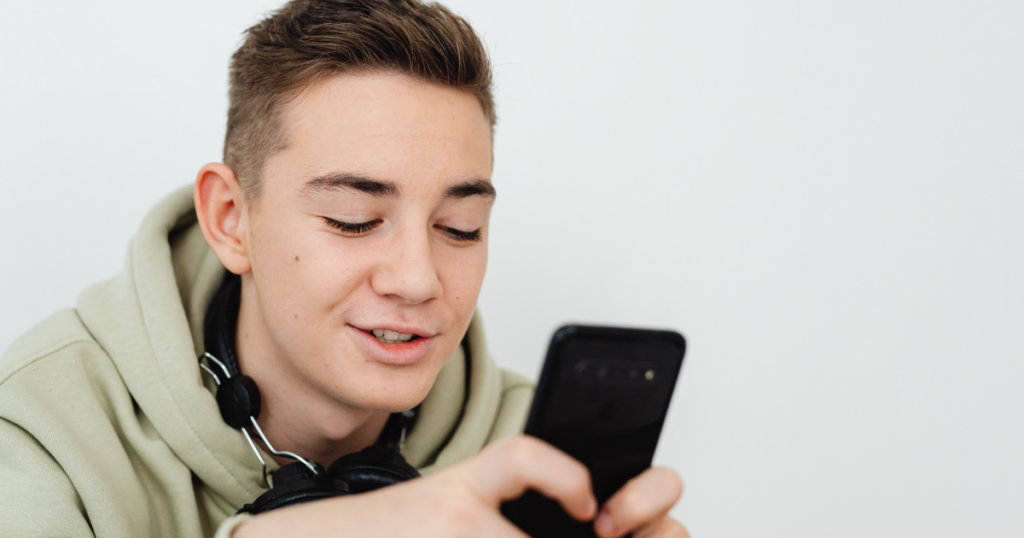
On December 10, 2025, Australia introduced laws banning youth under 16 from having social media accounts on a number of platforms. This included Facebook, Instagram, Snapchat TikTok, Twitch, X (formerly Twitter), and YouTube. Over 4.7 million accounts were deactivated in the first two days of the ban.
The aim of the new law was to protect young people from design features that encourage them to spend too much time on screens and show them content that can be harmful to their health and wellbeing and to support parents.
Research in 2025 found that 96 per cent of children aged 10-15 used social media (84 per cent aged 8 to 12), and that seven out of 10 of them had been exposed to harmful content. This included misogynistic and violent material as well as content promoting eating disorders and suicide.
Additionally, there is long-term impact of the dopamine-driven internet obsession / addiction on the developing brain. Researchers (De etal, 2025, National Library of Medicine) found that internet addiction can cause changes in the prefrontal cortex and lead to increases in sensitivity to stimuli and reduced inhibitory control influencing decision-making and emotional changes. This leads to impairments in cognitive functions, such as self-monitoring, memory retention, organizational skills, and time management.
The physical impact is of concern as well. Young people are on social media up to 50 hours a week, glued to their phone or screen until late at night. The reduction in quality of sleep can impact their physical and mental health.
Early results show a mixed response to the ban. Some feel relieved and less pressured whilst others feel annoyed, frustrated, and isolated.
The goal of the social media restrictions was to protect under-16s from the negative impacts; to give them more time to build emotional, social, and digital skills so they’ll be better able to notice if things are becoming harmful and know what to do about it.
Additionally, even though parents could control social media use, many found it difficult to say no to the argument “but everyone else is using it”. The ban might help parents feel supported and justified in keeping their children off social media.
Will the ban change screen behaviours or just limit the banned platforms? Hopefully, future evolutions of the ban will work to better protect our youth whilst protecting sensitive personal information and allowing positive interactions where they are needed.
For those working around the ban perhaps consider the values being developed. ‘A rule is put in place to protect me, but I don’t like it. I look for a way to get around it, to break the rules, get a parent to log me in or use false identification.’
Is this a value we wish to embed in a 12 to 15-year-old? How will that play out in school or the workplace? ‘My teacher, employer or parents have rules I don’t like so I found a way to avoid them, to sneak around the outside, to give false information to get what I want.’
Let’s find a way to assist the young person to work out what they are missing and achieve that within the new rules. Please, we don’t need too many Veruca Salts (a “bad nut” from Charlie and the Chocolate Factory).
Gary Bruce is a youth counsellor (GaryBruceCounselling) and coach (Going Beyond Results), MHFA Instructor and registered teacher with over 35 years’ experience. His counselling practice is based in New Farm and provides both in person and online appointments with a focus on Youth. To find out more email [email protected] or follow him on LinkedIn (GaryRBruce) or Facebook (Going Beyond Results)