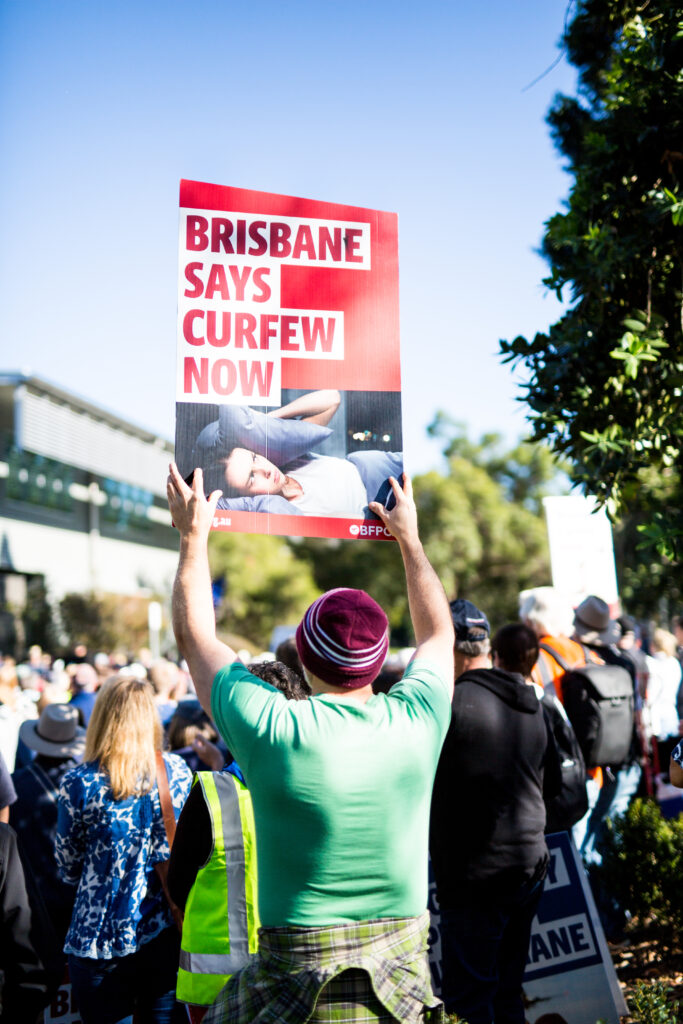
A night curfew on flights departing and landing at Brisbane Airport would produce considerable economic benefits, including a significant reduction in adverse health impacts from aircraft noise.
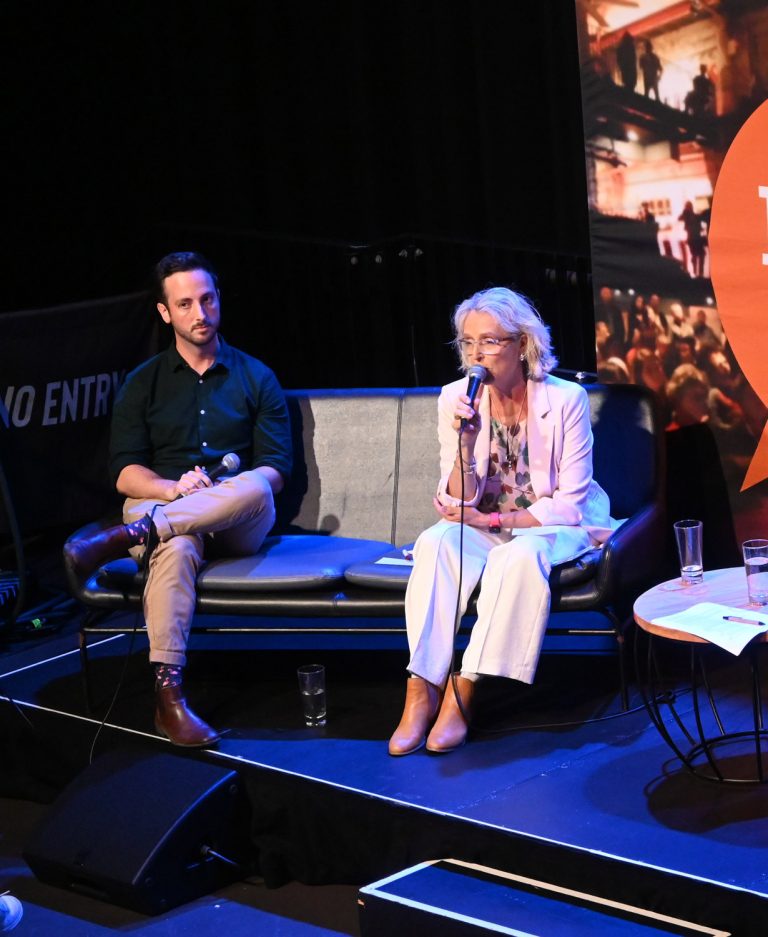
This from a comprehensive report The Economic Case for a Curfew at Brisbane Airport by University of Queensland Economics Professor John Quiggin, which he presented to the town hall meeting organised by the Brisbane Flight Path Community Alliance (BFPCA) on February 15.
He pointed out that the public costs of continued 24-hour operations are borne daily, in the form of fragmented sleep, elevated health risks, declining neighbourhood amenity, and deepening social inequity.
The report analysed the costs and benefits of the most direct option for reducing noise impacts: a curfew on operations, which Prof Quiggin asserted are modest.
The imposition of a curfew – according to the report – would yield health benefits from reduced coronary attacks and other severe effects, amounting to around $100 million per year.
The cost of implementing a curfew at Brisbane Airport – defined here as the restriction of scheduled operations between 10pm and 6am – would be in the order of $5–10 million per year in foregone airline and freight activity.
The report claims this loss is “small, concentrated, and manageable”, as night-time international flights account for around 2.5 per cent of aircraft movements at Brisbane Airport.
It can be further reduced through reallocation of flights to lower-demand daytime slots, or through the use of alternative infrastructure, including the dedicated freight facility at Toowoomba Wellcamp Airport, located 130 km west of Brisbane.
His report concludes: At this point, it should be clear that nothing other than a curfew will suffice in reducing night-time aircraft noise to reasonable levels.
Unlike other measures, such as varying flight paths, a curfew is a simple, well-defined measure for which the costs and benefits are easy to specify and therefore relatively easy to evaluate in economic terms.
Prof Quiggin’s report assessed international and Australian studies on the health impacts of aircraft noise. These were backed up by a presentation at the town hall meeting by Dr Karin Hage.
Regarding health care costs, she said an estimated 242,000 residents in the greater Brisbane area were “severely impacted by aircraft noise”, which amounts to $9,000 per person per year, based on a reliable international measurement.
Dr Hage said this equates to a $2.1 billion drain on the Queensland Health budget per year.
For the record, four other international airports in Australia – Gold Coast, Sydney, Melbourne (Essendon) and Adelaide – have long operated with night-flight restrictions, with no material impact on economic performance.