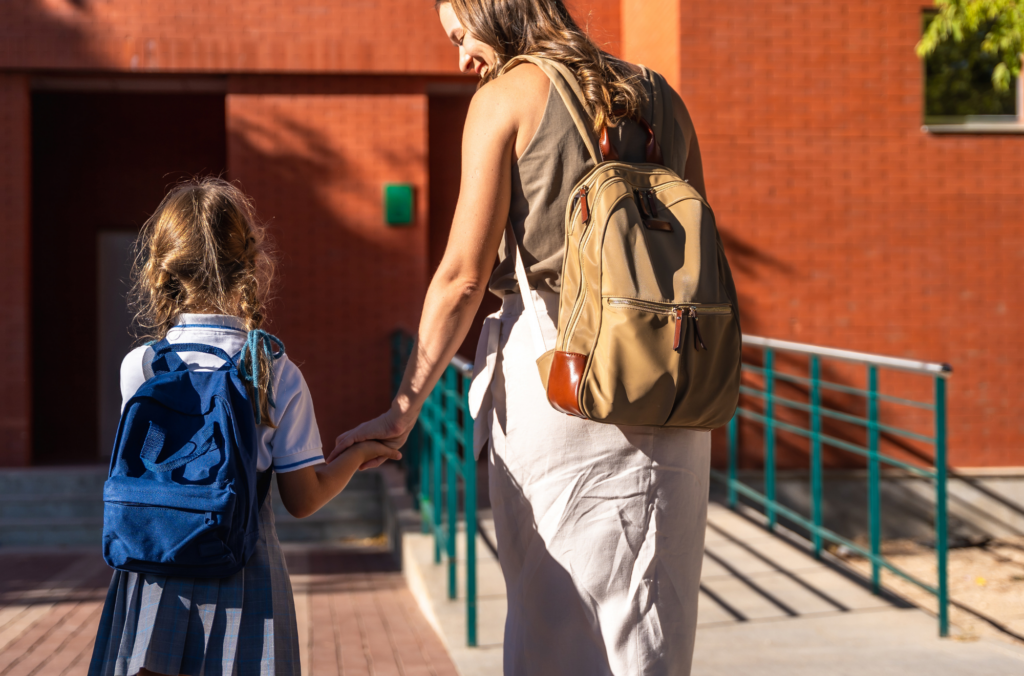
Whether they are expected or unexpected, the transitions we face throughout our lives can impact us. Transitions could be a child starting school, moving from primary school to secondary school, leaving school to start work or attend university, moving out of home, changing jobs/careers, or retiring at the end of a life of working.
Each includes changes in the routine, changes in relationships and often a feeling of loss of control. Even the most positive transition can create strain as our minds adapt to the change.
In my practice, I am currently working with three people who are facing transition points, and it can be overwhelming if you allow it to be.
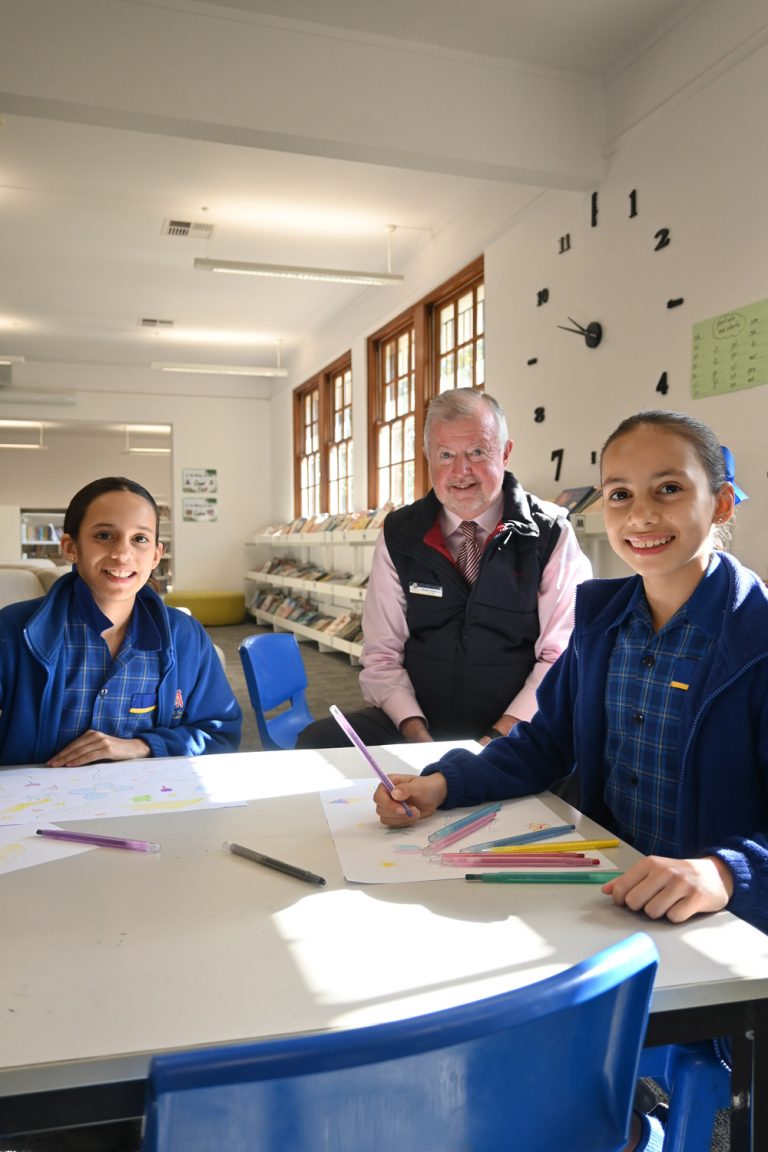
As a young teenager moving from being the leaders of the primary school as a big Year 6 to one of the smallest people in a very large secondary school as a lowly Year 7, it is easy to feel lost. Completely new routines in a completely new environment. Needing to find their way to classrooms spread across the campus with a new teacher for each subject. It is very different.
The older teen, entering university life and suddenly realising just how much support was provided to them in Years 11 and 12. The extra freedom is wonderful, but who is chasing them up for the assignment draft, who is keeping them on track for the upcoming exams? Loving the freedom but having to create the structure themselves is pretty overwhelming.
The third is a recently retired man, enjoying the fruits of over 40 years of hard work but impacted negatively by a feeling of lack of purpose and routine. The frequent interactions with work colleagues that never seemed that important at the time but now are missed.
Each of the transitions are experienced by many but can easily lead to anxiety, depression or feeling emotionally overwhelmed.
So, what protective factors can we put in place? Firstly, it is great if we can openly acknowledge what we are feeling and find someone who we can talk to. If we talk about our feelings, it does reduce the burden we carry.
Keep connected. Family and friends, and people who share your interests or hobbies make a huge difference.
Keep active. Exercise, hobbies, joining in a new sport or activity.
Keep control. Planning or goal setting is great for reducing the current uncertainty and gives the mind an increased sense of calm.
We all will face transitions as we travel through life. Some of us will jump easily into the next stage without a care. For others it will be harder. Avoidance, bottling up our feelings or isolating ourselves are all poor coping strategies that won’t help in the long run.
If you know of someone who seems to be battling, encourage them to find someone to talk to. If you are concerned about their safety, have a conversation and encourage them to seek appropriate professional help.
Gary Bruce is a counsellor (GaryBruceCounselling) and coach (Going Beyond Results), MHFA Instructor and registered teacher with over 35 years’ experience. His counselling practice is based in New Farm and provides both in person and online appointments with a focus on youth and male mental health. To find out more email [email protected] or follow him on LinkedIn (GaryRBruce) or Facebook (Going Beyond Results)