Published June 2025
Noise is annoying, but worse, it impacts on both our physical and mental health. In our community it comes from many sources, especially traffic, planes, persistent dog barking, leaf blowers and construction.
Urban noise is a significant public health issue where we need to protect human health and promote wellbeing from exposure to excessive environmental noise.
Noise pollution undermines the liveability of urban areas. reducing quality of life.
The annoyance and sleep disturbance with noise, drives cardiovascular, metabolic, mental health and other chronic disease.
People have varying levels of tolerance to noise. The term, misophonia, defines a reaction to noise with significant psychological distress and interference of daily function.
The noise may not be particularly loud, but the repetitive nature and the inability to control it, such as dogs barking, can cause distress.
Vulnerable groups, such as children, older persons, people with mental health issues, may be affected by noise in different ways compared with other members of the population.
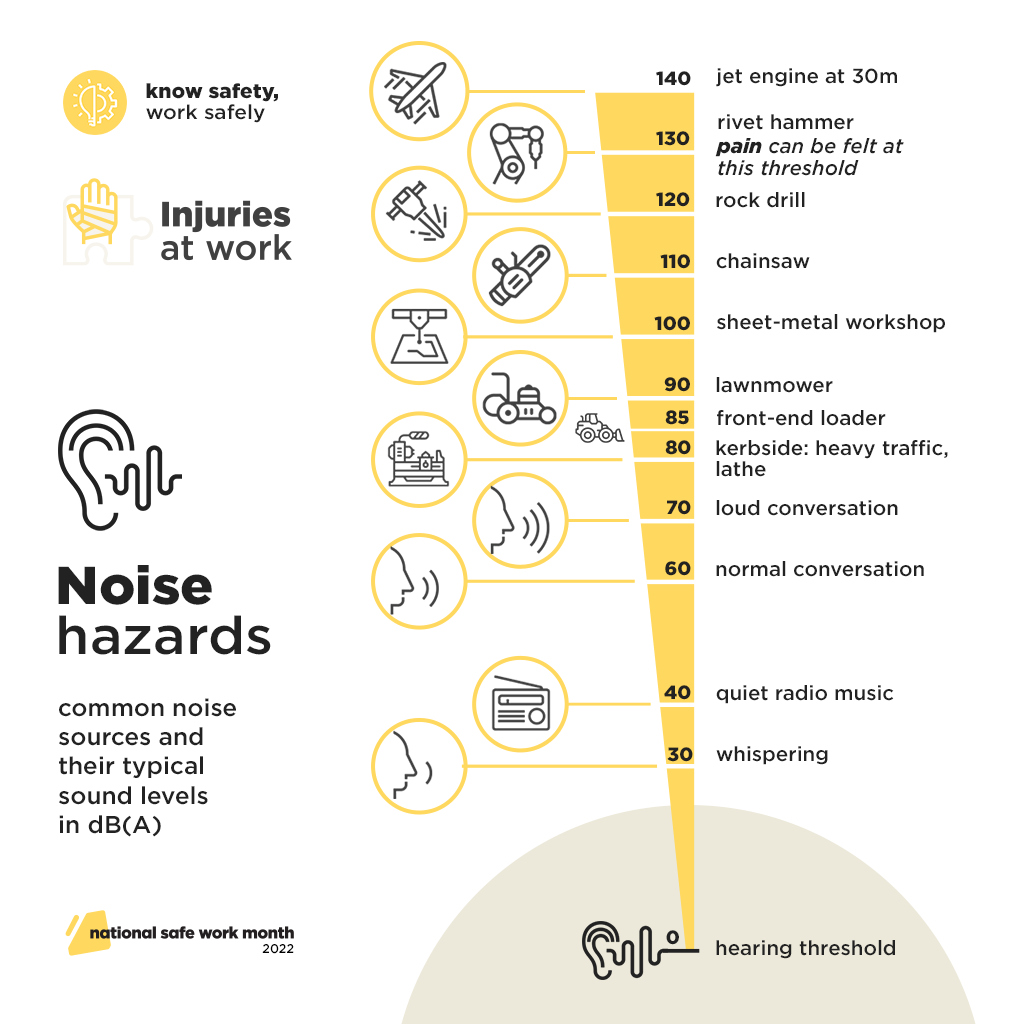
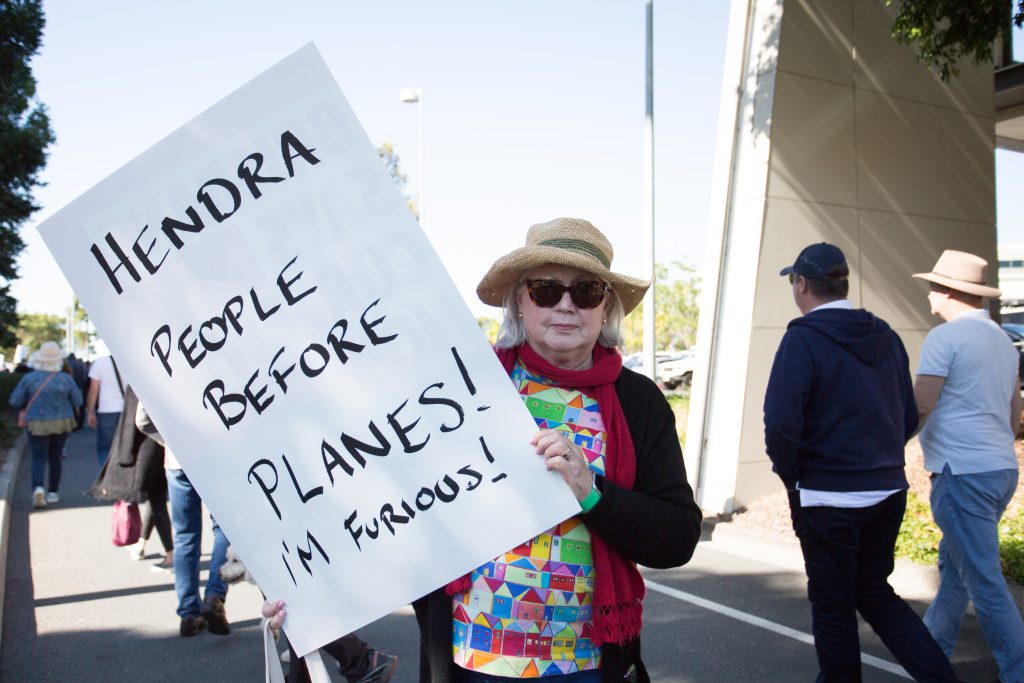
Brisbane airport has created flight paths that cause excessive noise pollution over our city. The WHO recommends plane noise below 45 dB during the day and below 40 dB at night to avoid health impacts. Our suburbs experience flights generating over 70 dB of noise.
The Federal government, which is responsible for air traffic, has shown no commitment to lessening the plane noise or to prevent it from steadily escalating, including at night.
The BCC acknowledges that “Excessive noise from pets can disrupt the daily life of your neighbours.” Yet some dog owners will allow their dogs to persistently bark in a Council dog park, with nearby residences, often before 6.30am. Others when going out will leave their dogs at home, with an agitated dog barking for hours.
Two-stroke leaf blowers can generate noise levels of 100dB that exceed safe hearing thresholds, well over the 55 dB limit considered safe by the World Health Organization, contributing to noise pollution in residential areas. In addition, they are highly polluting creating petrol fumes and dust. Council persists in using 2 stroke equipment, when battery operated equipment is much quieter, without the petrol pollution.
Our noise regulations (EPA Act 1994) don’t address current knowledge of health impacts of noise, exclude a lot of noise such as plane noise, and is poorly enforced by council.
Governments at all levels have a responsibility to address noise pollution as a public health priority, ensuring the wellbeing of all citizens and the liveability of our community.