Published July 2025
Plastic has permeated daily life through its use in packaging and containers, yet it poses significant risks to health and the environment.
The ABC recently reported that seabirds on Lord Howe Island are so full of plastic that “they crackle and crunch” when moving.
Ninety-five percent of all plastic packaging is used only once before being discarded, often becoming litter. Australians rank as the second-largest users of single-use plastic globally.
Plastic is non-biodegradable; if not correctly disposed of it remains in our environment.
The extent of plastic pollution necessitates urgent action. Substantial amounts of plastic waste are washed into our creeks, flowing into the Brisbane River and then Moreton Bay.
Turtles and other wildlife ingest this plastic, leading to illness or death.
Research by the University of Queensland estimates up to 7,000 tonnes of microplastics now pollute Moreton Bay’s ecology.
Evidence suggests plastic pollution has increased significantly since the early 2000s, correlating with increased plastic production.
Plastic waste breaks down into microplastics, smaller than sesame seeds, releasing toxic petrochemicals. Wildlife, including fish, absorbs these microplastics.
Humans ingest or inhale microplastics through food, drink containers, or air pollution, which then deposits throughout the body.
Microplastics have been identified in the brain and plaques within blood vessels, contributing to cardiovascular diseases and strokes.
They are also proposed as a contributing factor to early-onset bowel cancer.
Additionally, plastic production results in substantial carbon emissions, exacerbating climate change.
Better monitoring and management of plastic pollution by council and state government is needed.
While initiatives like Containers for Change and bans on single-use plastic bags have been beneficial, more robust measures by government and industry are essential.
Plastic recycling and recovery have been stuck at 12.5 per cent, the rest going to pollution or landfill.
Improved pollutant traps to capture plastics after heavy rain and stronger governmental incentives for recycling, particularly soft plastics, are critical to mitigating pollution.
There is a need for governments to incentivize a circular economy rather than a throwaway culture.
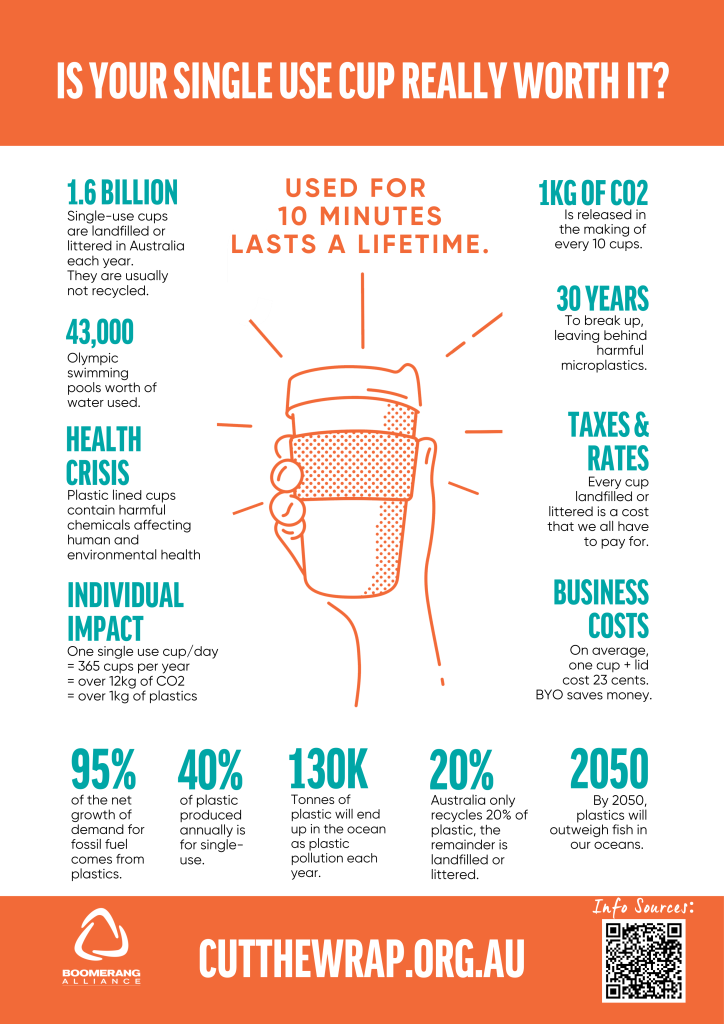
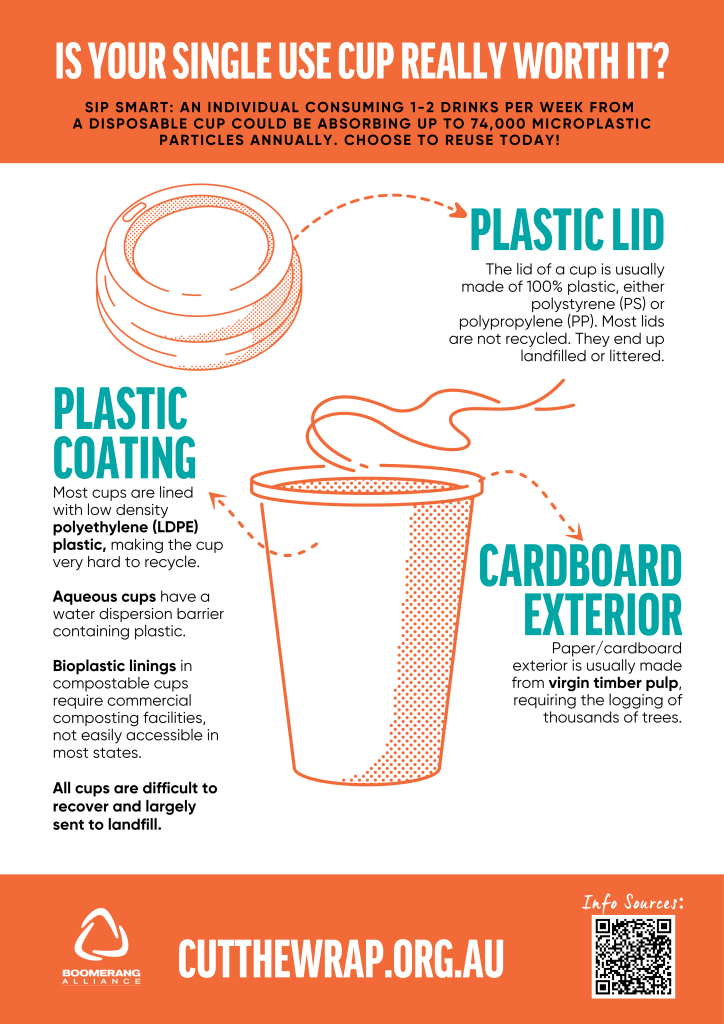
Reducing plastic consumption is imperative. Australia disposes of 1.6 billion coffee cups annually; using a reusable cup is preferable.
The UN ‘Turning Off the Tap’ roadmap highlights that moving to reusable products with better recycling could reduce plastic pollution by 50 per cent by 2040.
Governments must build a strong business case for reusables to maximize their potential.
Reducing single-use plastics and promoting sustainable practices must become a shared priority.
Seeking out plastic-free options and urging council and governments to tackle plastic pollution are vital steps toward safeguarding our health and the environment.