Sure, there was cocaine with Michael Hutchence and prostitutes at King’s Cross, but there was also the story of a woman unafraid, uncensored and unyielding.
The story of the Divinyls frontwoman “headbanging her way through the glass ceiling” was done ample justice in Amplified: The Exquisite Rock and Rage of Chrissy Amphlett at Brisbane Powerhouse in September.
A myth in her schoolgirl’s outfit, instilling in every bloke in the room equal parts arousal and fear, she was a terrible, magnetic force of 80s rock.
Was she being objectified? Or defining herself, not just as a woman, but as something to be feared and revered in equal measure?
To the women in the room, she was liberation.
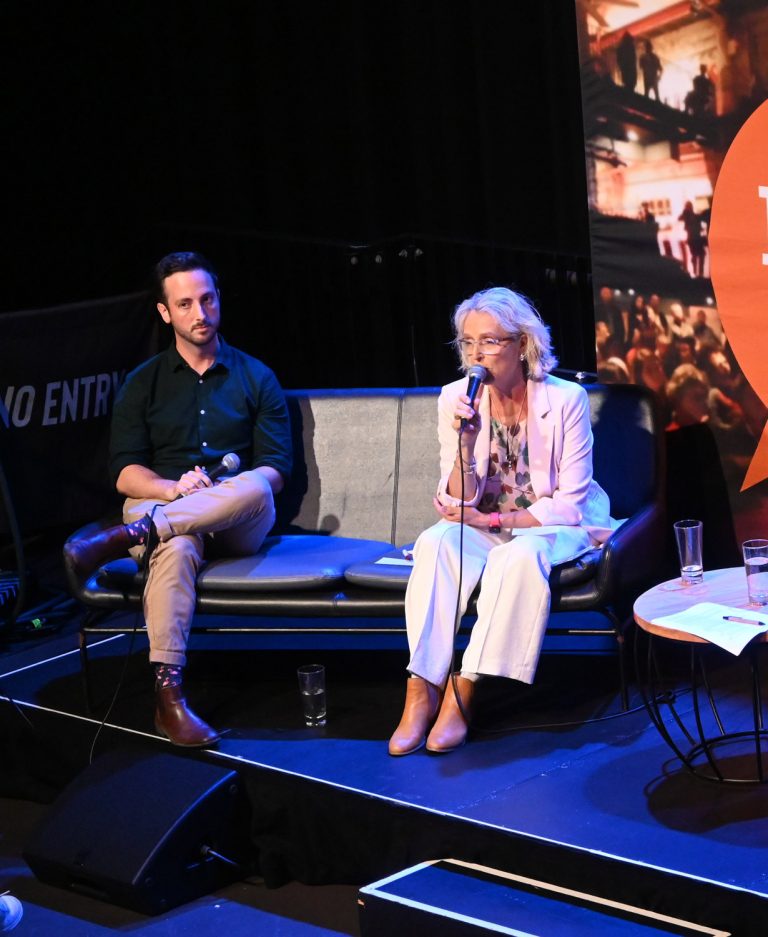
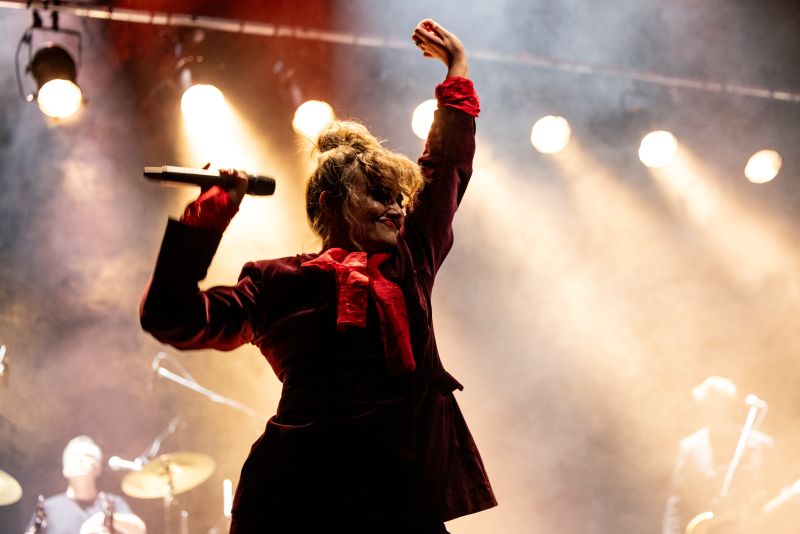
Writer and rock-diva-embodier Sheridan Harbridge, along with co-creator, director and producer Sarah Goodes, put on a show with enough anthems to keep us satiated and enough tales of sex, drugs and rock’n’roll to keep us stimulated.
Not promising to be Amphlett, (“I don’t have the voice or the legs”, she said) Harbridge instead was a guide through the odyssey of her life.
Between snatches of insights into Amphlett’s mystifying persona, Harbridge and the band played Divinyls classics with electrifying heart and soul, and also a softer song written in Amphlett’s later years dedicated to her partner.
A defining moment in the formation of Amphlett’s rage and resolve was the moment they played support for Aerosmith.
Bottles were thrown at the stage, one hitting Amphlett, but she kept on playing. When a bottle hit guitarist Mark McEntree, he walked offstage.
She realised in that moment the double standard. Though she thought she could do everything a man could do, the one thing she couldn’t do was back down. She couldn’t prove the blokes from the back of the pub right.
So she rocked on.
Harbridge told of how, later on, after the Divinyls had broken up, the idea of a one-woman show was raised, and when her outlandish suggestion of doing it as a cat was vetoed, she defiantly retorted she would do it as a crow.
In the end, she became too sick from both MS and breast cancer to do the show (they always said “it would take two things to kill her”), dying tragically early at 53, but the motif was fitting.
Crows are survivors, chic in their own sleek black way, and hold grudges, a fact Amphlett was impressed by.
An Amazon review of her autobiography said, apparently:
“All for what?”
Harbridge answers the question.
“For five stars… A short show’s a good show.”