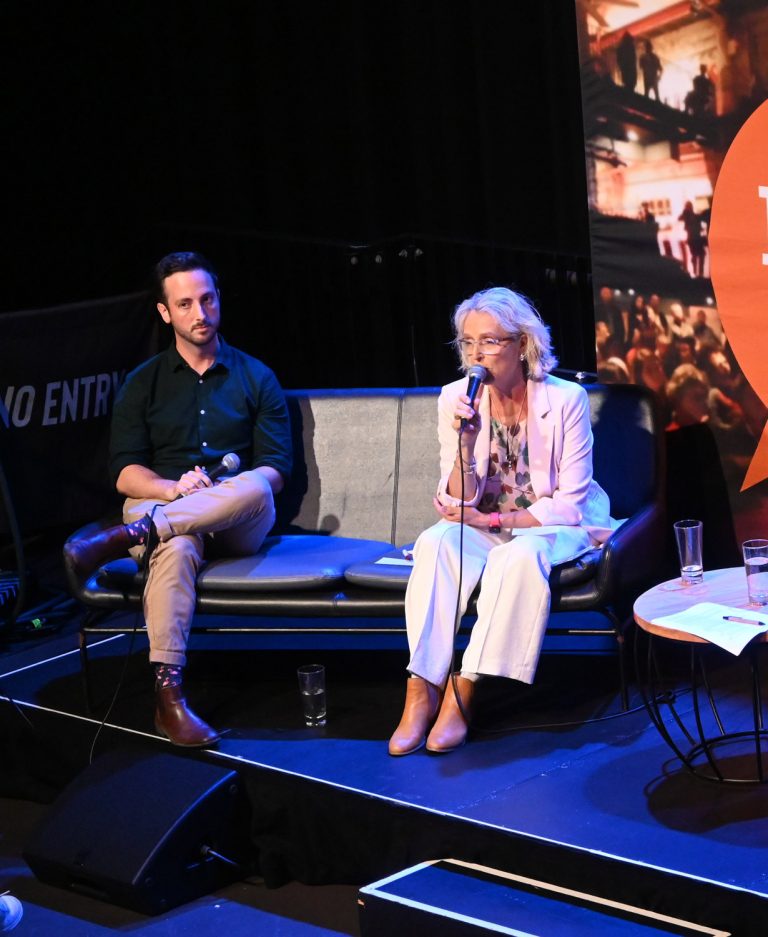
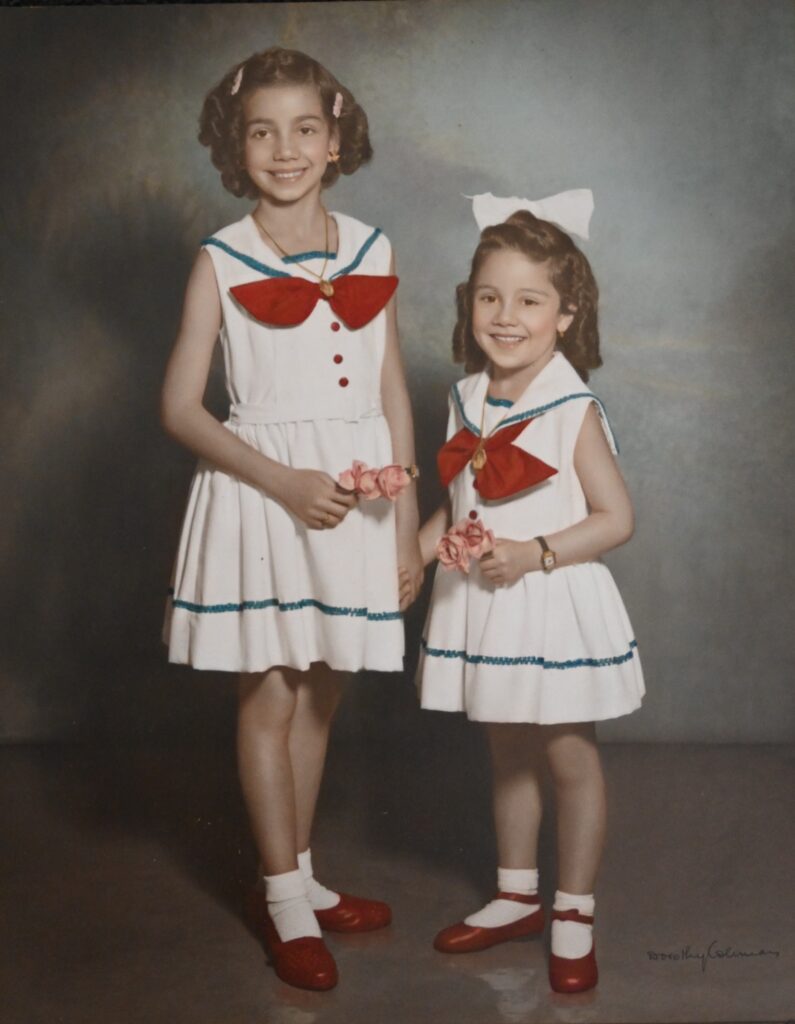
To the modern shoe-wearer, a pair of handcrafted white leather shoes would be a luxury item, but for the daughter of an Italian shoemaker in the 1960s, they were just regular shoes.
“Italian children always had white shoes, and all I ever wanted was a pair of black patent shoes… But how lucky was I? I didn’t realise how special we were with our white shoes,” Santina Musumeci said.
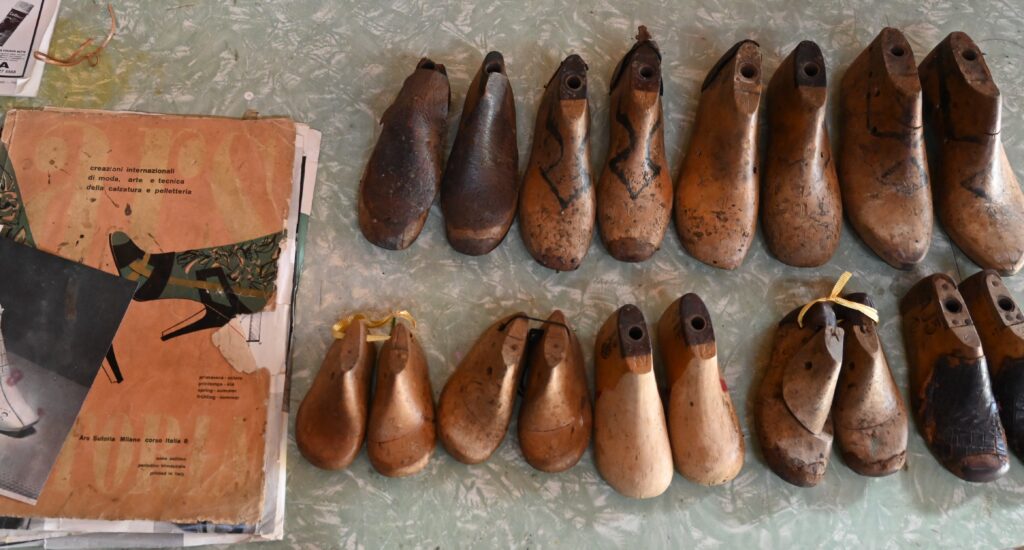
Underneath a New Farm Queenslander house, in an old cardboard box, lie pairs of shoe-shaped pieces of wood called shoe lasts, relics from a time when Ms Musumeci’s father Salvatore Musumeci made “shoes to measure” in his workshop on the front verandah.
Shoe lasts were used to shape shoes, and Mr Musumeci would make shoes of all sizes, down to baby shoes when his daughters were small.
He found time to do this after his shifts at the shoe factory.
Mr Musumeci worked at the Thomas C Dixon & Sons Boot & Shoe Factory in Montague Road, West End, and in later years continued with his craft at a shop in Barry Parade, Fortitude Valley, before finishing his working life in Moorooka.
From his arrival in Australia in 1949, he made and repaired shoes – never charging the newly arrived Italian migrants who arrived often with just a suitcase.
“Dad was fondly known as ‘Sam’ – an artigiano calzolaio [artisan shoemaker],” Ms Musumeci said.
“He could make any pair of shoes look like as if they were brand new.
“I used to sit and watch him making the shoes after dinner… and he would hand stitch it all.
“There’s a sewing machine he used, but a lot of it was just hand stitching, so he would actually wax the thread and then hand sew it.”
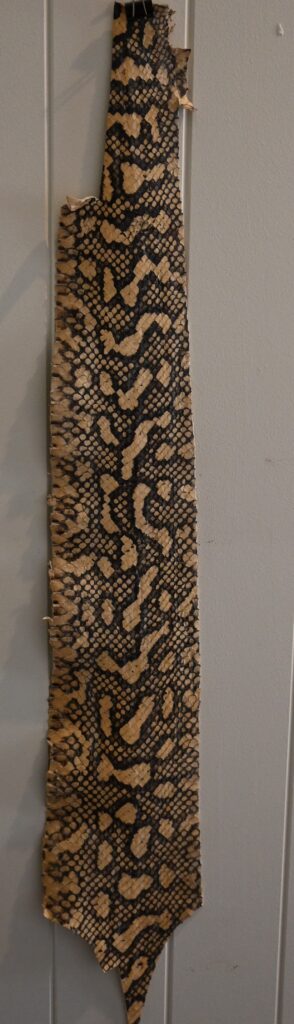
At the time, snakeskin and crocodile skin were the height of style.
Ms Musumeci’s favourite pair of shoes were made by her father from black suede and snakeskin.
“There was nothing like this here in Australia until the 1960s… it took a long time for fashion to pick up in Australia,” she said.
But the era of handmade shoes did not last forever.
When import tariffs were introduced in Australia in the 1970s, shoemakers had to compete with much cheaper mass produced, imported shoes from overseas.
Today, if you look for shoemakers, you will find most are bespoke luxury designers, or part of larger legacy companies like RM Williams and Blundstone.
At the last Census, there were an estimated 98 shoemakers left in Queensland, and 720 Australia-wide.
The tiny shoe lasts for the children’s shoes Salvatore Musumeci made will now go to his great-grandchildren as family heirlooms, a reminder of their forebear’s craftsmanship.