
New Farm is a good place to live. Its walkability and convenient access to Merthyr Village, the local library, and James Street make daily tasks and social outings easy. The suburb also benefits from the popular green space at New Farm Park, the river and its walking paths, the cultural activity of the Powerhouse, and convenient bus and ferry connections. Combined with a friendly, safe community atmosphere, these features contribute to a strong sense of local wellbeing.
However, there are opportunities to make New Farm even more liveable. Introducing a 30 km/h speed limit on residential streets would improve safety for people walking and cycling, lessen traffic noise, reduce air pollution, and foster a calmer, more sociable neighbourhood environment. Further reducing noise and emissions from traffic, aircraft, and equipment like leaf blowers would also enhance residents’ daily comfort and long-term health.
Protecting green spaces and increasing the suburb’s tree canopy are becoming increasingly important as Brisbane faces hotter temperatures and climate pressures. Parks, gardens, and tree-lined streets not only cool urban areas but also provide vital places for relaxation, recreation, and community connection. As climate impacts such as heatwaves, flooding, and bushfire risk intensify, these natural assets are essential for maintaining physical and mental wellbeing.
Social housing and accessible community services are also critical to supporting residents who are homeless or struggling. Liveability is closely tied to how well a suburb meets the needs of people across different life stages and circumstances.
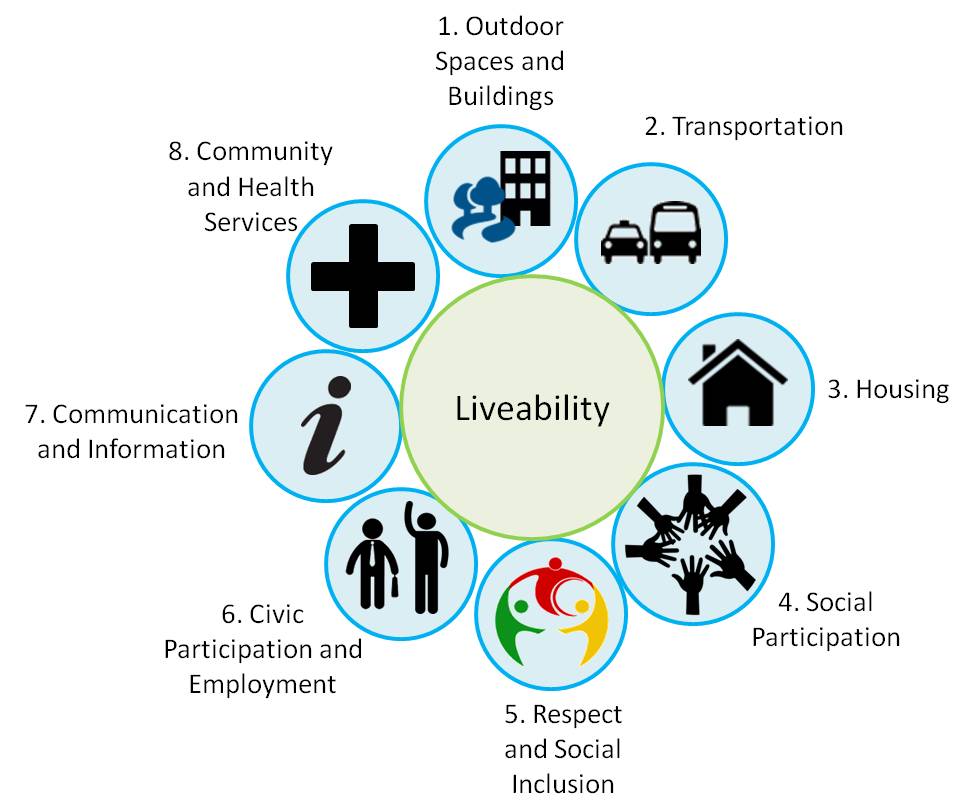
In general, liveability reflects how satisfied people feel with the place they call home. While preferences differ, research consistently highlights key factors: good public transport, safe walking and cycling routes, local employment opportunities, a comfortable climate, abundant green space, personal safety, access to education and health services, affordable housing, and convenient shops and amenities. Highly liveable neighbourhoods support better physical and mental health outcomes, particularly for older residents.
Accessible “third places”—such as cafes, libraries, community centres, and shared outdoor spaces—also play a crucial role in fostering social connection. When these places are linked by safe pedestrian and cycling networks, they encourage interaction and independence.
The World Health Organization’s Age-friendly Cities Framework reinforces that older residents benefit from safe public spaces, reliable transport, healthcare access, and opportunities for social engagement. These factors help maintain independence and reduce the risk of cognitive decline.
According to the 2025 Australian Liveability Census, Queensland’s overall liveability score has declined, sitting among the lowest nationally. Higher-density areas often score better because they offer strong public transport, local amenities, and active-travel options. Internationally, Copenhagen was ranked the world’s most liveable city in 2025 for its sustainability and quality of life, while Melbourne, Sydney, and Adelaide remain in the global top ten.
In 2025, Australians defined their ideal neighbourhood as green, safe, local, and walkable. By engaging in community life, supporting sustainability, and strengthening neighbourhood connections, we can collectively enhance liveability for everyone in New Farm and beyond.