November 19 was International Men’s Day with the theme of supporting men and boys. With social issues for men being a highlighted conversation topic, the concept of happiness in Australian men is worth investigating.
We all want to be happy; the simple fact is that many of us aren’t. The UN-sponsored World Happiness Report found that whilst Australia was the 10th happiest out of 143 countries surveyed, we still have about 30 per cent who report being unhappy with their lives.
Deeper analysis shows that greatest unhappiness occurs between 35 – 55. Happiness is highest in our teenage years before dropping to its lowest level before increasing again after 50.
For males this period can be particularly challenging. Perceived societal expectations of the male as the bread winner, stoically responding to any challenges, still permeate. As young men we set goals, had expectations of our future life. If we have achieved our goals we often aren’t as happy as we thought we would be, if we haven’t yet achieved our goals, we may start to feel it’s never going to happen. For some the realisation that their youth has passed can be all-consuming. The aspirational stage of life has come and gone.
We were looking forward to the big life events of marriage, creating a family and attaining work goals and this creates positive, forward moving energy. Now, taking care of your family and ensuring their needs are met overtakes your own needs. Taking care of elderly parents may become part of the considerations.
Some of the biggest happiness / unhappiness drivers are family, connection and feeling appreciated / loved (Source: IPSOS). With divorce occurring at a median age for men of 47 and with almost 50,000 divorces in Australia in 2024, the loss of connection to family is real. In addition to the loss of a partner, for men it often includes loss of connection to their children.
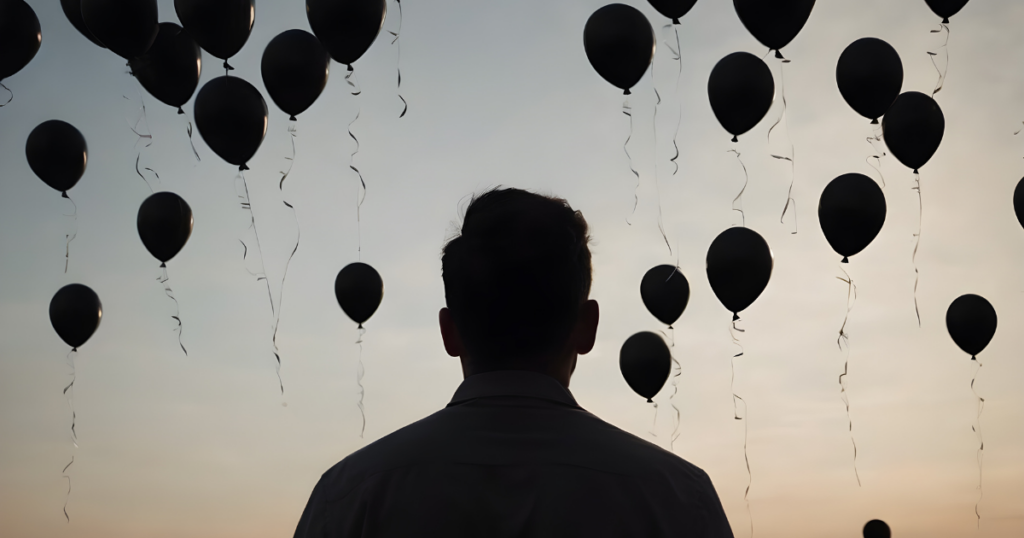
Loneliness is unfortunately common for Australian males, with men aged 35 – 49 the most affected group, and over 40 per cent (two in five) reporting moderate or severe levels of isolation.
Research from the Australian Institute of Health and Welfare (AIHW) identified social isolation and loneliness as risk factors for mental and physical illness. Health issues include sleep disturbance, substance misuse, and cardiovascular disease. Chronic loneliness is also strongly linked to poor mental health outcomes, including increased risk of depression, anxiety, and suicidal ideation. Sadly, the highest rate of suicide in Australia is males in this age bracket.
Keys to avoiding unhappiness for men include maintaining good physical health, engaging in team sports or team activities, maintaining motivation through work or volunteering and seeking help if you need it from an expert in the field of men’s help.
For those in their middle age wondering if things will get better, the good news is: for many, yes it does. As we grow through later adulthood positivity and life satisfaction increases, regret and anxiety decrease. The emotional peak of life resides in our 60s and 70s.
Gary Bruce is a counsellor (Gary Bruce Counselling) specialising in Youth and Men’s issues, coach (Going Beyond Results), MHFA Instructor, and registered teacher with over 35 years’ experience. His practice is online and face to face and based in New Farm. To find out more email [email protected] or follow him on LinkedIn (GaryRBruce) or Facebook (Going Beyond Results)
If you or someone you know needs support – call Lifeline on 13 11 14 or visit lifeline.org.au.