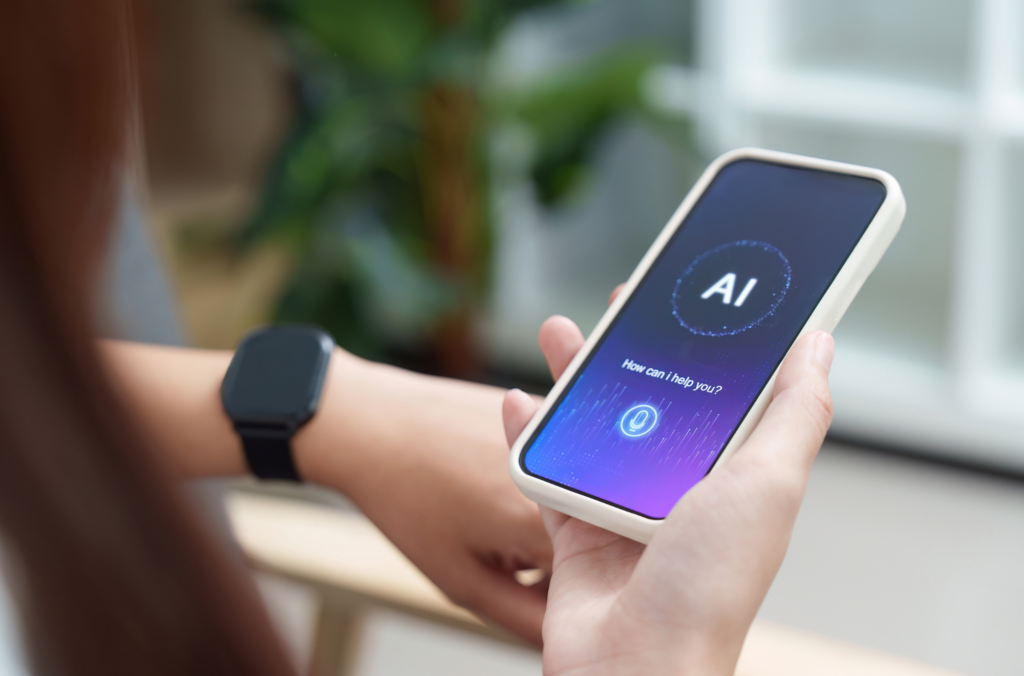
The impact of AI across our society is growing. Its use is becoming more common and iterations of the AI tools available are becoming more user friendly and when used appropriately much more accepted.
In my secondary teacher role, there is benefit in utilising AI at times. “Generate three twenty question quizzes on time series graphs based on the QCAA General Mathematics Syllabus differentiated at different levels.” What could take a considerable amount of time to do manually can be completed in a few seconds and of course then checked and edited by me to ensure it is appropriate.
I encourage both secondary and university students I work with to upload their lesson/lecture notes, pdfs of content and any practice quizzes into an AI tool (I suggest Gemini, Notebook LM or Claude but that is just based on my limited experience) and ask it to generate study notes, extra practice quizzes, flashcards and concept maps for study. This is incredibly useful.
In the workplace, first drafts of reports and proposals (then checked by humans), note taking, proof reading and multiple other tasks can be “outsourced” to AI. AI just needs to be used appropriately.
The negative impact of AI may well sit with the mental / emotional impact on the user.
For the student / employee who taps into an AI tool to “assist them” a number of potential pitfalls can await them:
- Detection dread: AI users may experience “detection anxiety,” fearing that AI-detection algorithms will flag their work. This leads to a state of hyper-vigilance every time an assignment or task is submitted.
- False positive fear: Even students/employees who use AI appropriately may feel stress due to the risk of being falsely accused. The impact on their academic/professional credibility may create a mistrust in their own work in case it sounds too good to be true.
- Imposter syndrome: When someone receives praise for work they didn’t do “themselves,” it reinforces a self-image of being a fraud. “I couldn’t do that myself” leading to self-doubt and increased anxiety.
- Over-reliance: When faced with a task where AI isn’t available, they experience heightened panic because they haven’t developed the underlying attitudes or skills to work independently.
- Replacement anxiety: For many in the workplace the fear of being replaceable by AI is a real concern. The emotional impact is high with the fear of the unemployment and subsequent negative outcomes.
AI is a tool, a very powerful and useful tool. We need to teach and learn how to use it appropriately and ethically. The focus on utilising AI in a positive and ethical way is happening.
We also need to be very aware of the impact its almost inevitable growth can have on the people using it and whose lives will be impacted by it.