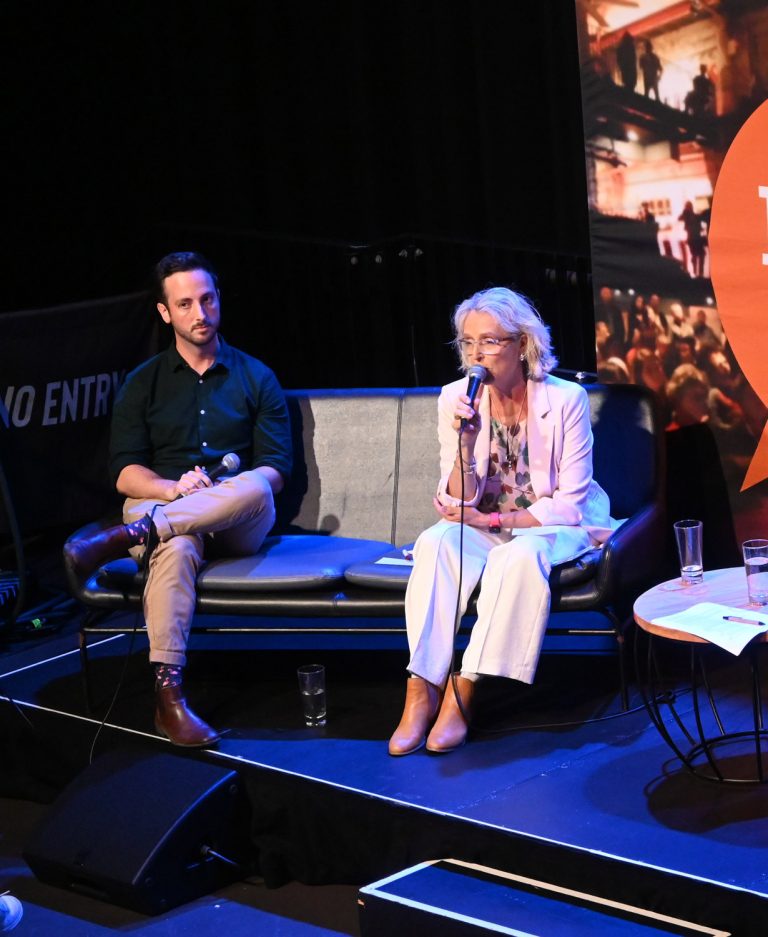
Brisbane City Council recently announced the biggest update to Fortitude Valley’s planning laws in over a decade with their new Fortitude Valley Sustainable Growth Precinct Plan.
Community consultation closes on February 15, with a draft precinct plan to follow later this year and final approvals expected from the Council and Queensland Government by 2027.
Share your feedback with the council at brisbane.qld.gov.au/about-council/council-projects/fortitude-valley-precinct-plan
Village Voice has spoken to key valley figures to get the conversation started.
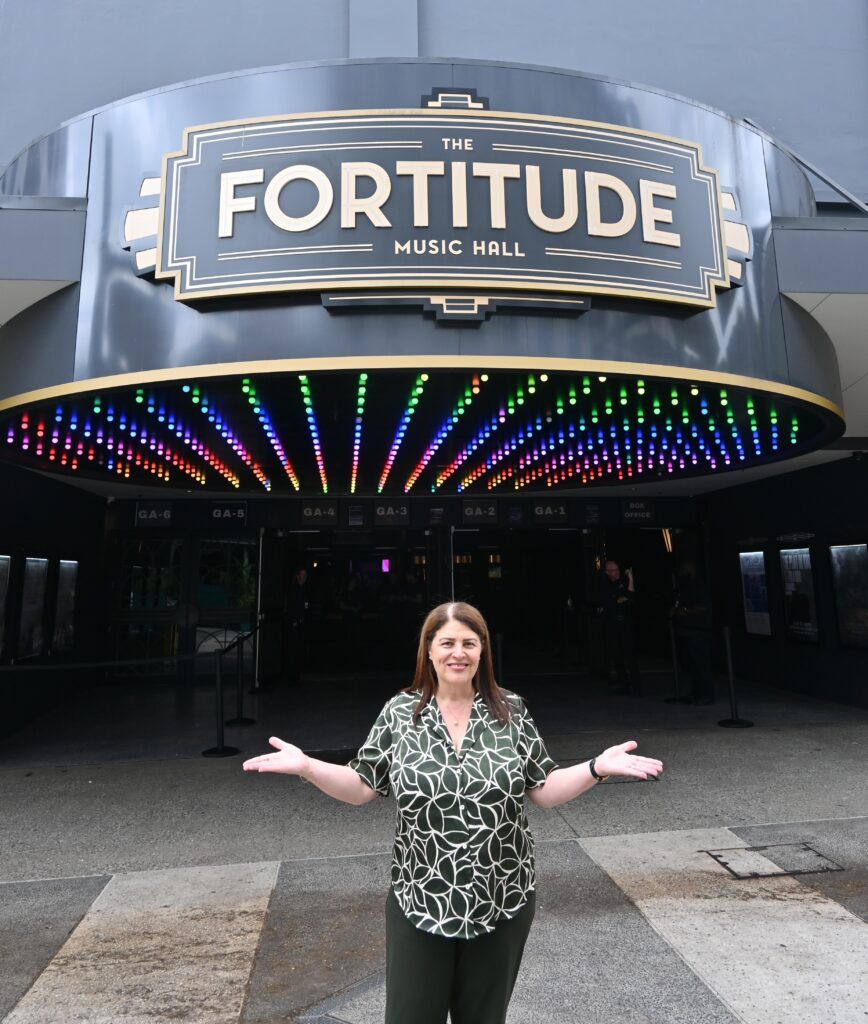
“Time for a reset” – Member for McConnel Grace Grace
Photography: Kate Lockyer
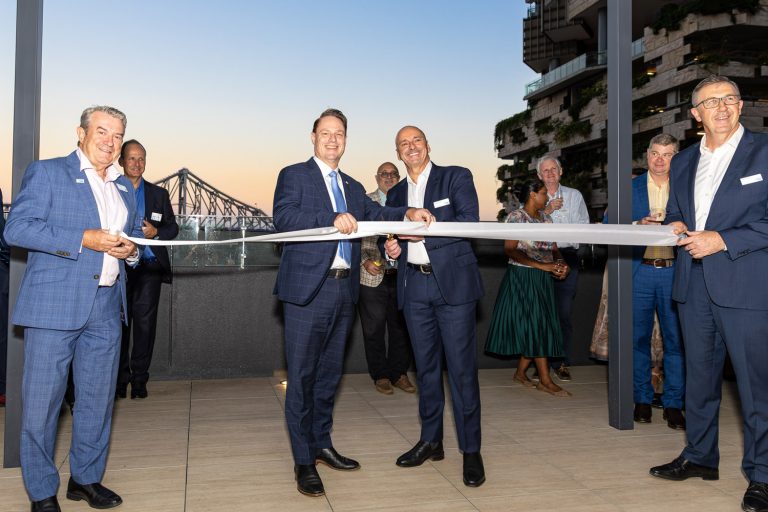
Member for McConnel Grace Grace MP has lived in and around Fortitude Valley all her life and wants to see development that recognises and honours the unique history of the area.
“I live in Fortitude Valley, I love it, and I don’t want to lose some of the elements to a concrete jungle,” Ms Grace said.
“It has to be in recognition of where you’re building – it’s not the city.”
Her biggest concern about the council’s plan is that it may have already been decided.
“Let’s hope that they haven’t locked in [the plan], that they keep in with the neighbourhood, that they keep in with the history,” she said.
Ms Grace said it is “time for a reset” but the community must be involved in the creation of the plan.
If there is an increase in the height limit allowed for new developments, she said there should be a “quid pro quo” to include social and affordable housing.
She said they should be obtaining a social licence, not pricing people out of the market.
“I think we’ve got to be very careful with additional height if it means there’s no real benefit for the community…”
Ms Grace wants to see a plan that developers are locked into, unlike the current neighbourhood plan where the council often approves developments that do not fall within the confines of the plan – for example, projects taller than the official approved height limits.
Mobility and accessibility should also be priorities, she said, suggesting the introduction of better footpaths and signage, and developing buildings with walkways through the middle.
Ms Grace said any retail developments have to be sustainable, with the valley currently struggling to keep tenancies occupied.
She gave the example of the laneways run by Arthur Apostolos as a successful retail venture, where disused lanes have been transformed into modern hubs of eateries, bars and shops while preserving the heritage buildings.
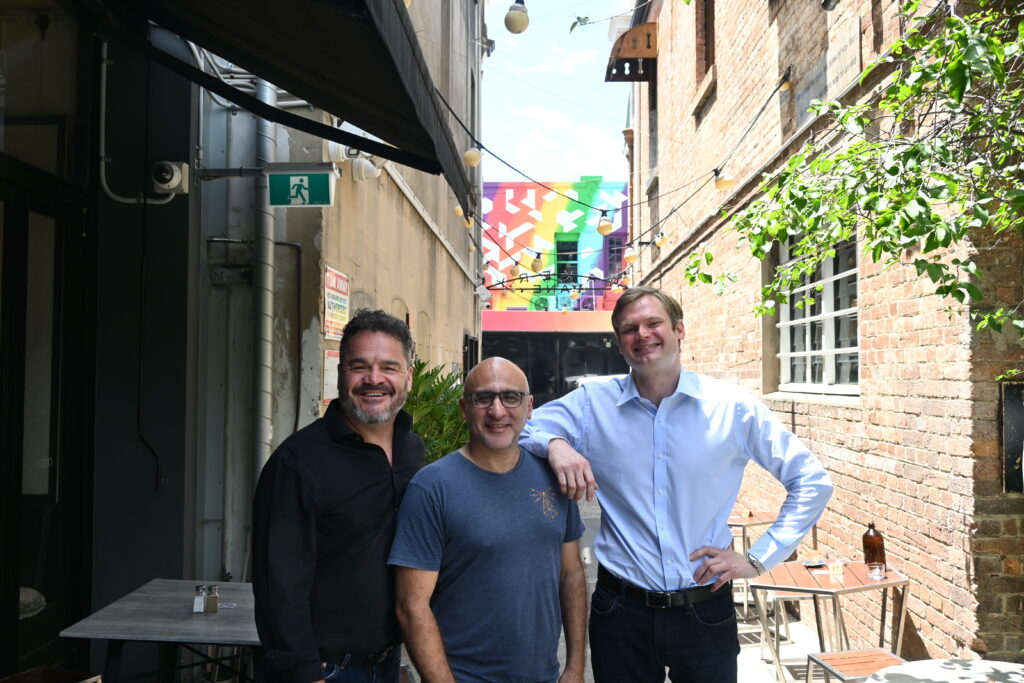
A valley “renaissance” – Kris Stewart, Arthur Apostolos and Terrence Hutchinson
Photography: Kate Lockyer
Mr Apostolos is part of a trio of valley visionaries who have big ideas for a “renaissance” in the precinct and suburb as a whole.
He has frequent powwows about the precinct with QMusic CEO Kris Stewart and Terrence Hutchinson, who last year launched Warner Lane for Hutchinson Builders, adding to their portfolio of valley destinations like the Fortitude Music Hall and the Triffid.
Mr Apostolos said “the timing is perfect” for the plan for three reasons.
He said the old plan is becoming outdated, there has been a change in demographics to a majority transient renter population, and the valley will soon become part of the 2032 Olympic precinct.
Key to their vision is building a “Valley” brand through placemaking initiatives like signage, beautification and connections between key destinations.
Mr Hutchinson suggested there should be a landmark sign: “Welcome to Fortitude Valley”.
Mr Stewart added: “We feel the valley should be as significant as a brand as Tribeca or Soho is… it’s not a postcode; it’s a brand, it’s an experience, it’s a vibe.”
“You should know when you’ve entered the valley… and that you are connected to some of the most exciting and vibrant parts of Queensland.”
Mr Stewart said visitors currently do not realise how close they are to other destinations and there should be clear and frequent signs to tell visitors how to get to places like James Street, Howard Smith Wharves, the Tivoli, the RNA showgrounds and the train station from wherever they are in the valley.
They would like to see more connectivity not just through wayfinding but also through transport options like a valley loop bus and even a route running further afield connecting to other key entertainment precincts in Brisbane like the Gabba, Suncorp and West End, especially when major games or events are scheduled.
“Rich history and a story to tell”
One part of the valley brand is its retail and nightlife offering, but another part is its rich and contrasting history, having been home to bustling Waltons and McWhirters department stores but also witness to police corruption and illegal gambling and prostitution.
“I think the valley has great potential and… it’s probably one of the only areas in Brisbane that has a rich history and a story to tell,” Mr Apostolos said.
“We do get a lot of tourists coming into the valley who are looking for that unique experience, and that unique experience can be through the small shops that we’ve got in the lanes, the music and the heritage.”
Mr Stewart would like to see the government invest in significant exhibition or cultural spaces like they do at South Bank.
“If we’re putting the Olympics here, put our state music museum in here. Why don’t we have the Queensland Centre for Music and Screen?” he said.
They are open to the idea of adding private investment to the mix, Mr Stewart giving the example of an apartment block where the ground floor has a museum or gallery space, promoting a more liveable community for residents.
“The valley has always been a community space,” Mr Stewart said.
“It’s the experiential capital of Brisbane and… bringing more people in here and adding density is not about people just going home and locking themselves into a tower.
“It’s about having a fantastic life, work, and social balance.”
“Voids in activation” holding the valley back
As a late-night entertainment precinct, the valley is known for having one of the highest levels of crime in Brisbane, and Mr Stewart said along with strong police presence, better lighting and transport connections would make a major difference to the safety of the area.
Mr Hutchinson said they would like to see flexibility around density, setbacks and carparking ratios that will let the market determine development, looking for building height to be “as high as possible”.
Mr Apostolos added that updating the plan might enable currently approved developments which have not yet been able to start construction to do so.
“There’s just some small constraints from the old plan that need to be looked at, and some encouragement through infrastructure charges or incentives to push a lot of already approved developments over the line, because the valley’s already got many buildings already approved to build, it’s just getting them over the line to build now,” he said.
Mr Hutchinson said “big voids in activation” are holding the valley back, where development sites sit vacant while companies wait to be able to build on them.
They believe incentives for landlords renting vacant sites even temporarily could improve the retail offerings in the valley.
“We think flexibility around incentivizing temporary use of those spaces is really positive,” Mr Stewart said.
“Especially if it brings things in that align with the history and heritage of the valley that attract people to come in.”
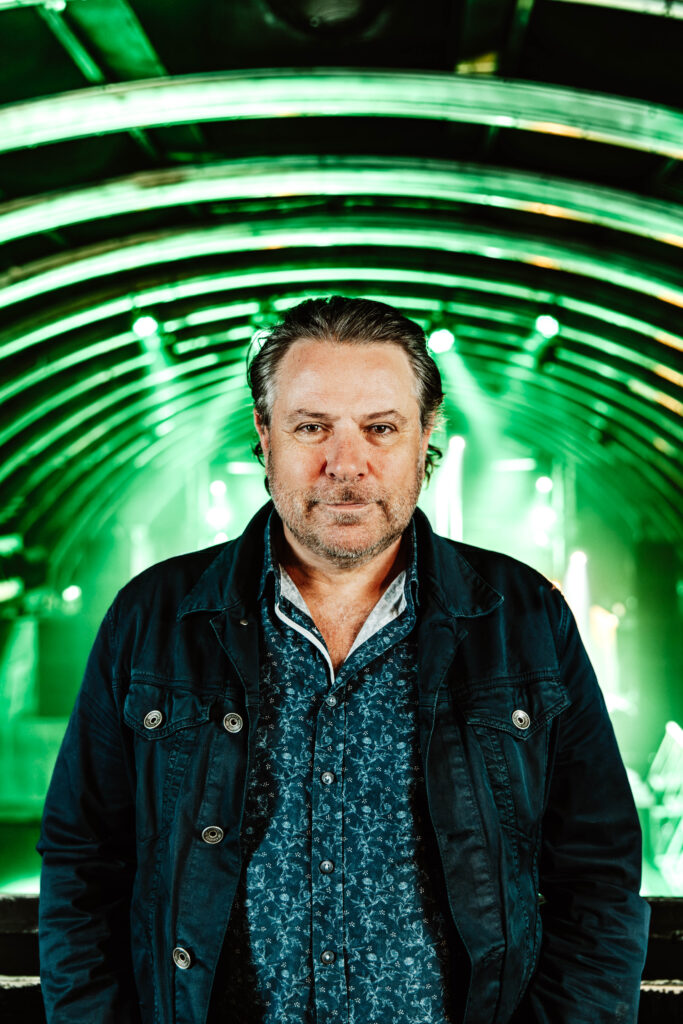
Core principles: “safety, connectivity and vibrancy” – John ‘JC’ Collins
Photography: Darcy Goss
Queensland Night-Life Economy Commissioner and alt rock icon John ‘JC’ Collins said it was encouraging to see the council’s plan promises to revitalise the valley precinct, adding vibrancy and accessibility.
“Many of the proposals are in line with concepts I have promoted and believe are needed to ensure the continued growth of the nighttime economy, as well as contribute to the success of Brisbane 2032,” Mr Collins said.
“The Valley will play an integral role in the 2032 Olympic and Paralympic Games experience, thanks to its proximity to the new Victoria Park Olympic stadium and other inner city entertainment venues.
“I believe it’s a great opportunity for the Brisbane City Council to consider adopting the core principles of the nighttime economy such as safety, connectivity and vibrancy into its town planning.”
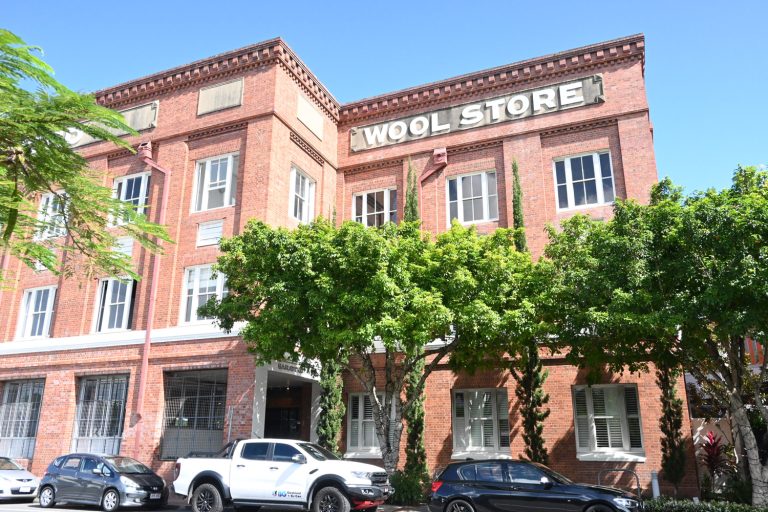
“And the plan also provides a perfect reason to consider the future of such great heritage buildings such as the McWhirter’s and Waltons buildings which have the potential to be key pillars of the Valley’s economic and social life,” he said.
Supporting social and affordable housing – Fiona Caniglia
Photography: Kate Lockyer
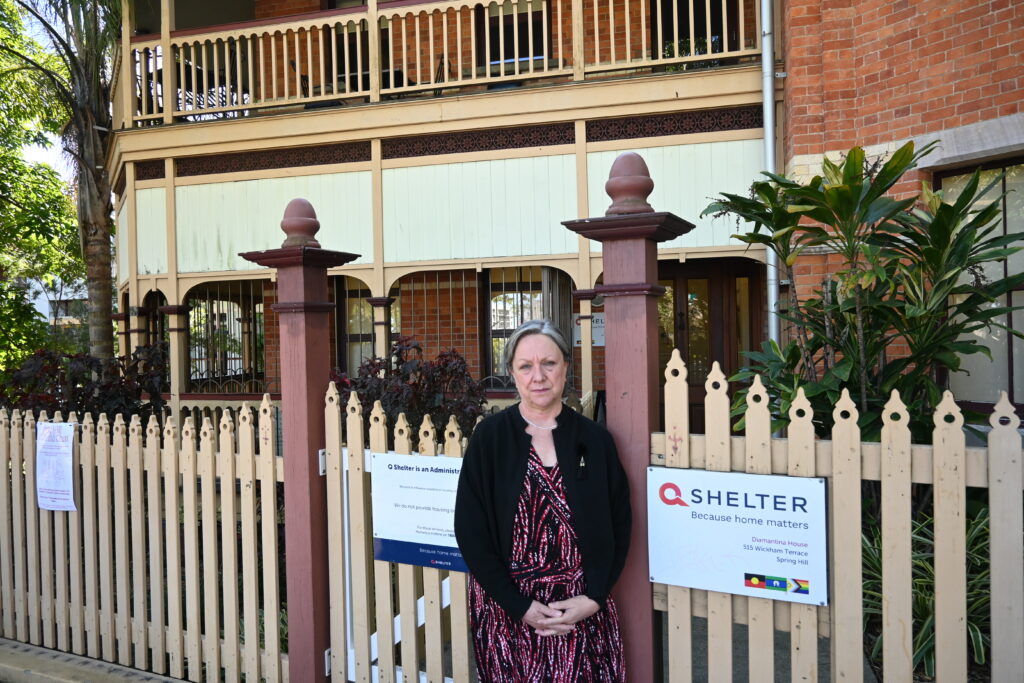
Fiona Caniglia, CEO of Queensland’s peak housing and homelessness body QShelter, said it is “absolutely essential” we get housing right in Fortitude Valley due to its transport connections and proximity to key employment nodes such as the CBD and Royal Brisbane and Women’s Hospital.
“Fortitude Valley can punch above its weight to deliver great housing outcomes for the whole region, and we absolutely support higher height limits, and we also support a diversity of housing typologies,” Ms Caniglia said.
She said they would like to see an enhanced mix of social and affordable housing, with affordable housing playing a critical role in housing key workers in retail, hospitality, and healthcare.
“There’s a whole host of different industries struggling to house their workforce anywhere near where they work because of the cost of housing, so I’d love to see the valley really deliver for key workers and other people that our economy absolutely relies on.”
To do this, Ms Caniglia said zoning is an important first step, but it would also require partnerships between community housing providers, the government and the private sector.
“I think we need to look at land ownership in the precinct and preserve public owned land for really strategic uses, like a mix of housing types,” she said.
“To deliver that mix of housing types, it is critical that the private sector is involved.
“But we can get those typologies in terms of social and affordable homes if the partnerships with community housing providers and the state government with its various funding streams are facilitated.”
She said the former Carlton United Brewery factory in Brunswick St, which now houses residential apartments, the Central Brunswick Apartment Hotel, retail, and restaurants is a good example that this housing mix can work.
Looking toward the 2032 Olympic and Paralympic Games, QShelter has conducted research and voiced their concerns that increased property prices near to key games venues may cause displacement of residents.
“Given that the valley will no doubt benefit from its proximity to the games and games infrastructure, it makes it even more important that we get the housing mix and investment right,” Ms Caniglia said.
Embrace renewal or risk a slow decline – Lynley Welsh
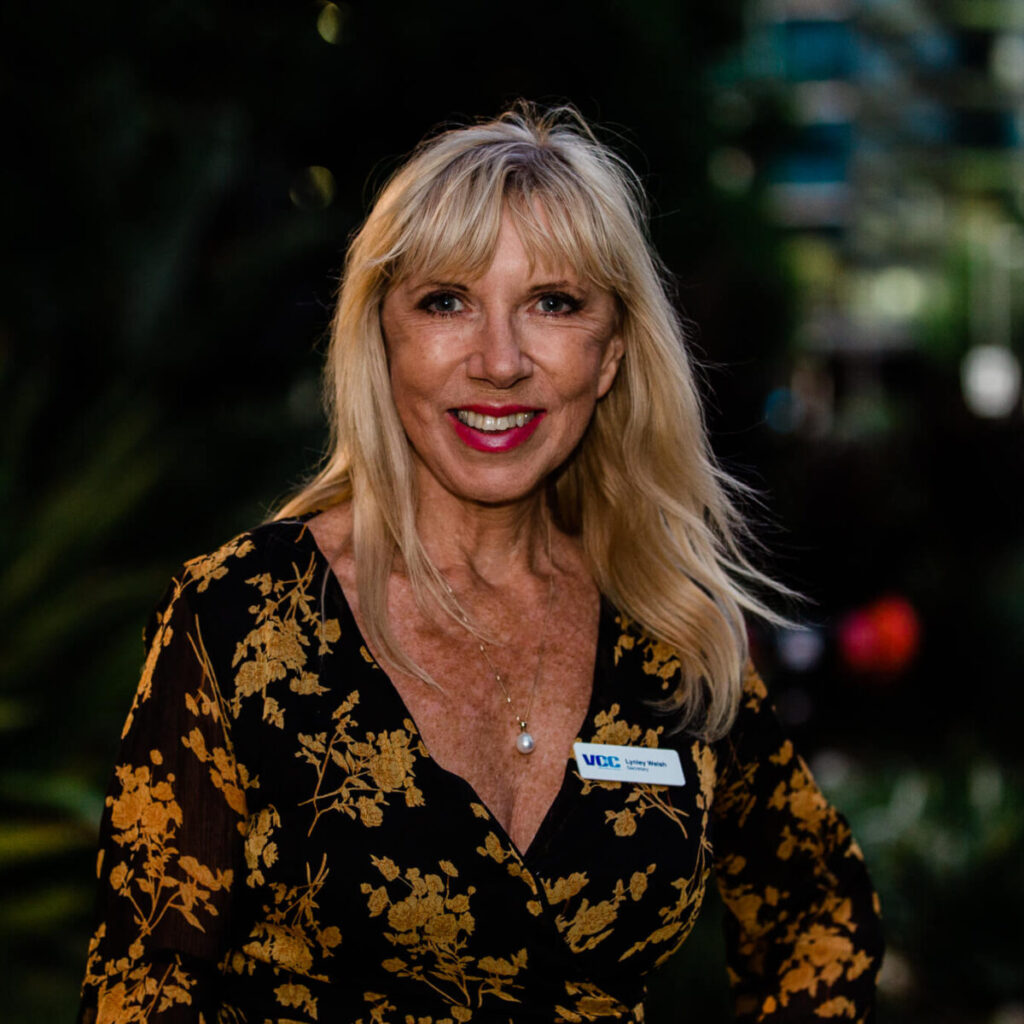
President of the Valley Chamber of Commerce, Lynley Welsh, has made a submission to council that is “pro-growth and pro-investment”, outlining that the valley is at a watershed moment.
“It must either embrace renewal (housing, business mix, public spaces, infrastructure), or risk a slow decline caused by fragmented land use outcomes, under-investment, and planning uncertainty,” Ms Welsh wrote.
The Chamber would like to see the plan: support the valley as Brisbane’s leading day-and-night economy precinct; deliver additional diverse housing; protect the night-time economy from developmental impacts; improve the public realm, transport and walkability; and provide planning certainty and faster, clearer assessment pathways.
A key priority is ensuring support for the daytime economy with measures to clear measures to increase daytime foot traffic, expand retail opportunity, enable flexible ground-floor commercial uses, and provide better wayfinding, safety and comfort.
Regarding protecting the nighttime economy, they want to see the council take responsibility for managing any noise or operational impacts of valley development on local businesses, rather than shifting the burden to long-standing venues.
Core to these requests is a philosophy of protecting the valley’s distinct character and heritage, allowing it to remain a home for music and creative spaces, independent retailers, and iconic venues and nightlife landmarks.
“We recommend Council ensure heritage and character policy works with renewal, not against it — enabling adaptive reuse, creative activation, and investment into aging building stock,” Ms Welsh wrote.
Balancing liveability and affordability with development – Leah Fischle
Photography: Jack Ponych
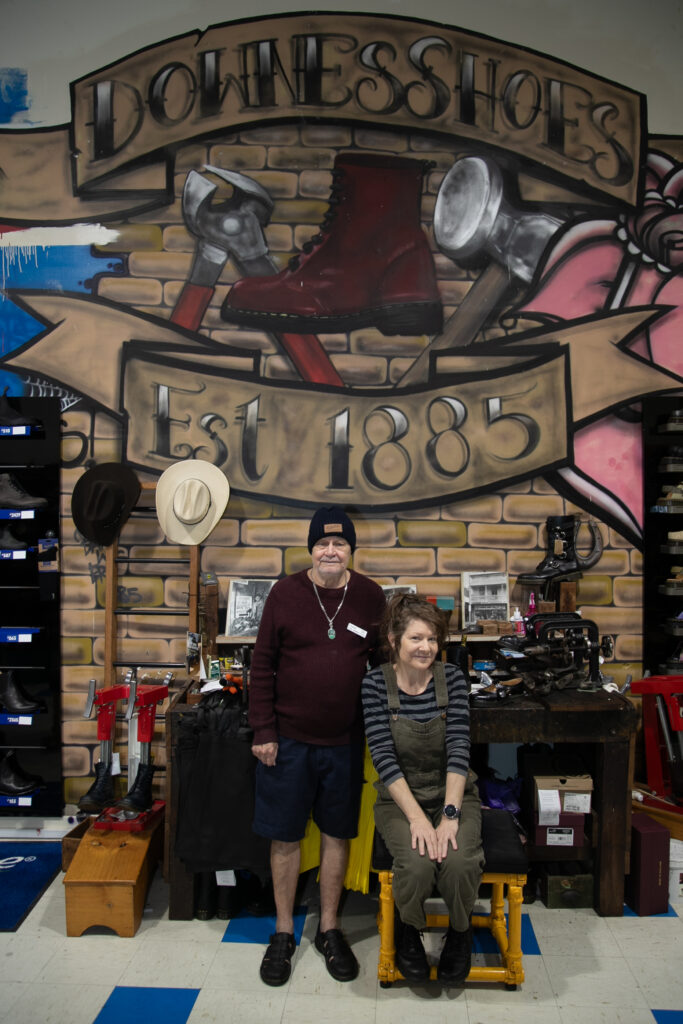
Leah Fischle, owner of Downes Shoes on Wickham Street, said she would like to see development balanced with the provision of affordable housing and leases for businesses.
“The valley always evolves, while I don’t wish to stop positive forward movement, we all know what happens when developers get free reign: we lose the important beauty which is ultimately what makes our city liveable, and developers rarely make true affordable housing as they’re in the business of making money from housing!”
“But yes, we desperately need more affordable homes for people and affordable venues for small businesses.”
“Dreading disruption” – Ben Nichols

Publican at Netherworld, Ben Nichols, is apprehensive of the disruptions that will follow further construction in the valley, and said more density does not equal more customers.
“I’m dreading the major disruption to daily travel from building the city’s second inner-city stadium, let alone additional tower work in the area,” Mr Nichols said.
“We don’t really notice a change in trade whenever a nearby tower is completed, despite the projected additional density. Better get some stand still traffic podcasts ready.”
“Striking the right balance” – Adrian Schrinner and Vicki Howard
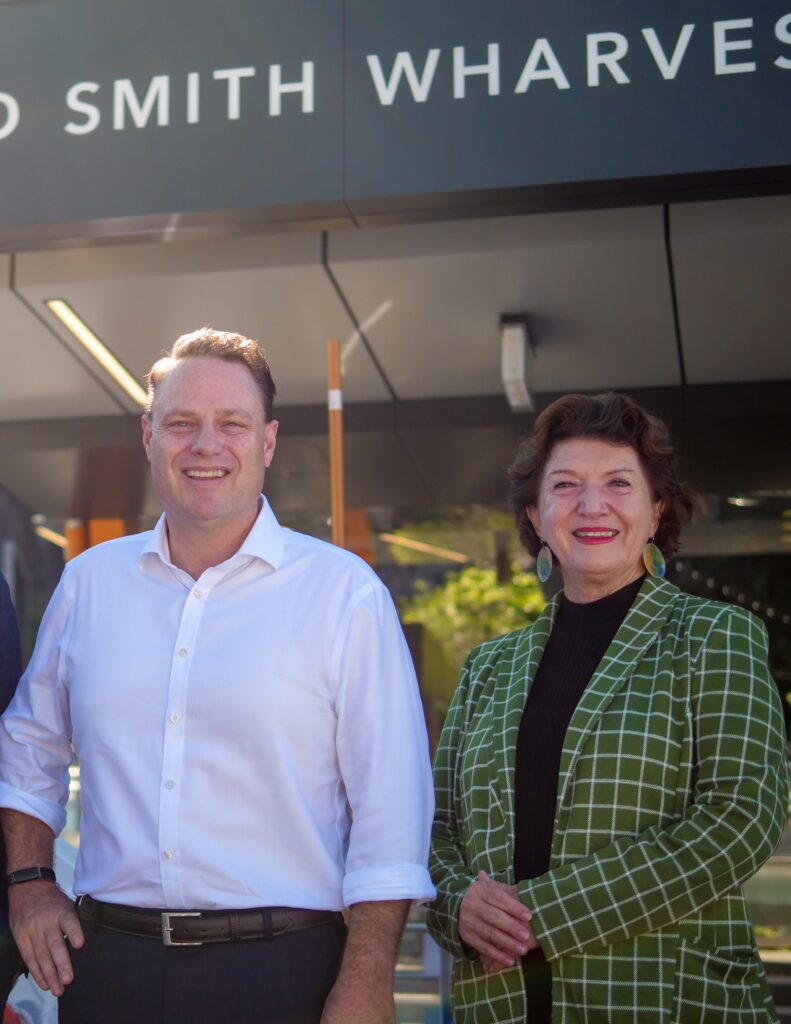
Brisbane Lord Mayor Adrian Schrinner said raising heights in the valley would ease congestion in the suburbs, while also protecting the area’s character.
“Going up in well-serviced areas like Fortitude Valley, rather than out into our suburbs, helps protect Brisbane’s incredible lifestyle, eases congestion and makes better use of the infrastructure we already have in place,” he said.
“This plan is about striking the right balance, allowing the Valley to grow while making it easier to get around and creating more to see and do…
“We’re also giving local retailers, hospitality and creative businesses the confidence to grow, while protecting the character that makes the Valley so special.”
Councillor for Central Ward Vicki Howard said she wants to see new development supported by thbe right infrastructure and encouraged locals and businesses to have their say to “help shape the future of the valley”.
“As the valley grows, it’s important that new development is supported by the right infrastructure so residents, businesses and visitors can continue to enjoy everything this precinct has to offer,” Cr Howard.
Additional parkland and parking – David Hinchliffe

Valley resident and former Brisbane City Council Deputy Lord Mayor David Hinchliffe wants to see car parking and green space provided for in the plan, and believes there is a threat of overdevelopment.
“This fake consultation process is clearly a big green light for massive redevelopment of high-rise towers throughout the valley with little regard for traffic, noise, space, character or amenity issues,” Mr Hinchliffe said.
“The Hynes/Prospect/Light/Knapp/Rosetta Street precinct is a special character area of the Valley with what has up until now been low and medium rise character residential/commercial.
“As ever-increasing high-rise encroaches on that community, residents feel its viability is at risk. The few houses in this area will now be under even greater threat from overdevelopment and over parking.
“If council doesn’t have adequate parking required in new residential towers and business development, it should make it clear to developers that it will rigorously police the two-hour central traffic area parking restrictions,” Mr Hinchliffe said. “At the moment it doesn’t.”
He said with Olympic development “radically reducing” nearby parkland at Victoria park, he wants to know the council’s plan for providing green space and playgrounds for children.
“If you’re going to increase density in this area – and that is clearly your plan – then you also need to include how you are going to provide additional parkland for those thousands of extra residents including children,” Mr Hinchliffe said.
“We also need better policing (a state responsibility) but that can be assisted with better street lighting in our area (council responsibility).”