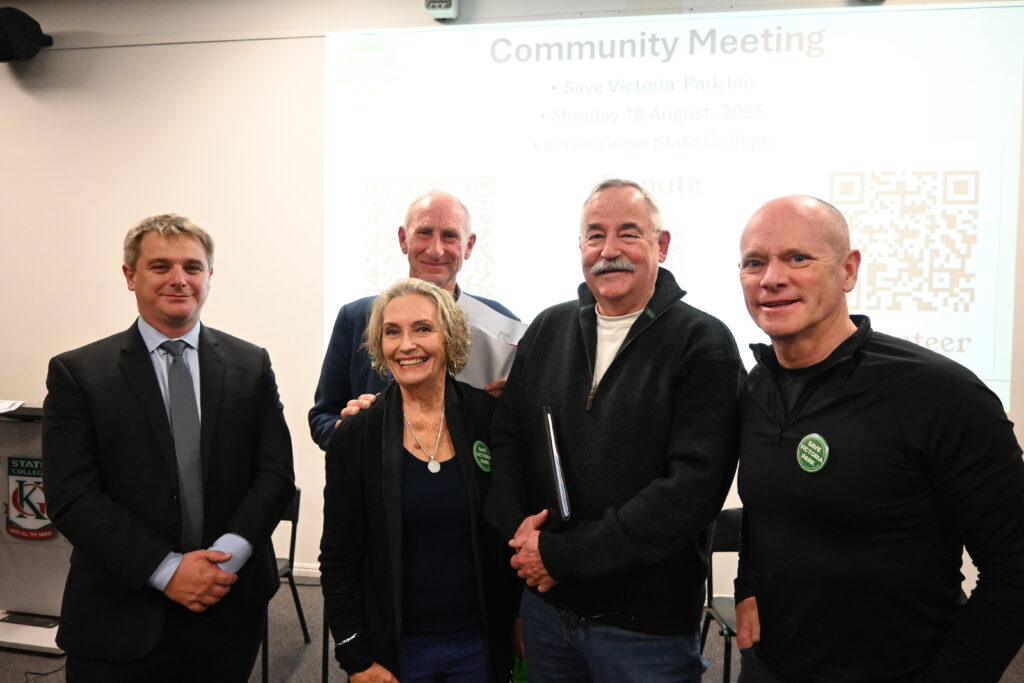
An environmental lawyer has determined the government’s plan to build Olympic and Paralympic stadia in Victoria Park / Barrambin as “the riskiest option” for a venue, with its violation of the International Olympic Committee’s (IOC) principles of encouraging the use of existing infrastructure.
Sean Ryan, lawyer for activist group Save Victoria Park, said: “It’s risky for the IOC.”
“The IOC don’t want bad press; they don’t want to be in the front pages trampling on Indigenous rights, local heritage and the wishes of local people. They do not want another embarrassment.”
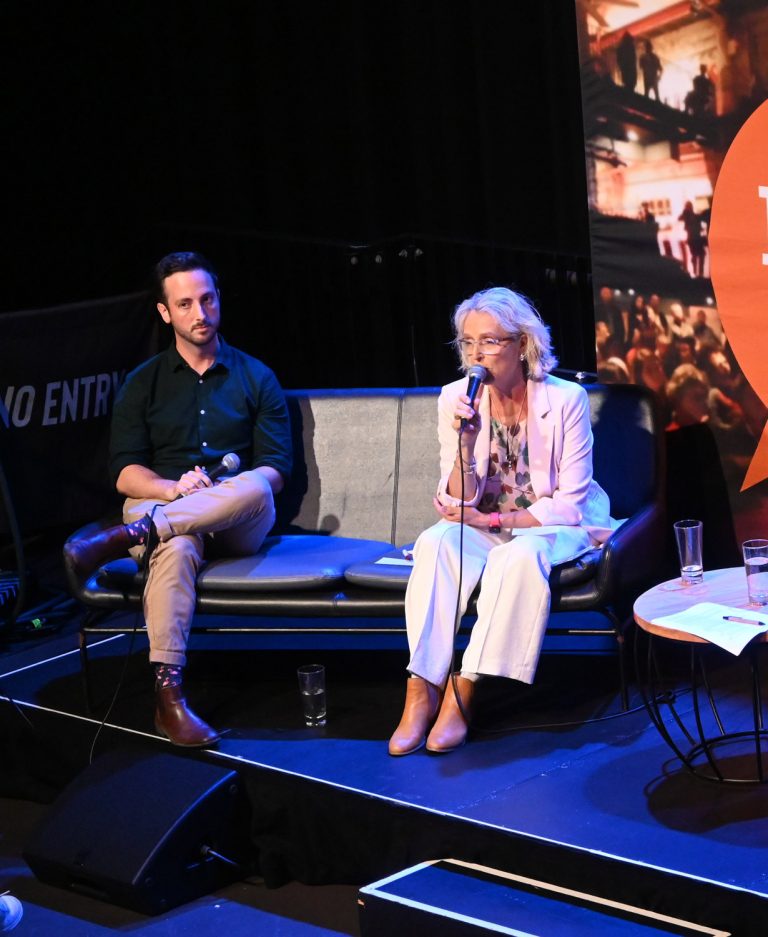
At a community meeting featuring a panel discussion from high profile industry figures on August 18, Save Victoria Park threw their support behind an Indigenous application for the park’s protection.
Save Victoria Park President Sue Bremner said she believes the Queensland Government overruled 15 pieces of state legislation to exempt Brisbane Olympic and Paralympic Games venues to avoid “whack-a-mole” legal appeals.
However, the state government is still bound to federal law, and on August 5 the Yagara Magandjin Aboriginal Corporation (YMAC) lodged an application with the federal government for permanent legal protection of the park.
YMAC spokesperson and Yagarabul elder Gaja Kerry Charlton said: “For we Goori people, Barrambin is living Country, possessing sacred, ancient and significant relationships within our cultural heritage systems.”
Campbell Newman, former Queensland Premier and Lord Mayor of Brisbane, said “we have a really bad track record in this city of building on parks,” pointing out the resumption of Lang Park and parts of Perry Park.
“We want to see the Olympics and see our city on the world stage… but find another place to do it,” he said.
Mr Newman’s preference is Hamilton Northshore, where there has been a scheme developed, calling the idea that Victoria Park is CBD-centric “complete baloney” because of its lack of retail and dining amenities and inconvenient walking distance over hilly terrain to the CBD and Fortitude Valley.
Civil engineer and Project Manager of The Gabba redevelopment from 1994-2003, Rob Camping is in favour of the Gabba project being resurrected.
Mr Camping said he is “very disappointed with the lack of maintenance by the state government”, as The Gabba, where major redevelopment concluded just 20 years ago, was intended to have a 100-year design life.
With the IOC having already accepted the proposal for The Gabba, he said preliminary modification plans have already been completed, and given that the venue is unutilised 300 days of the year, a new stadium would incur additional operational costs not made up for in revenue, as well as construction costs.
The panellists speculated that high value land around the fringes of the park will likely be sold to developers to offset the project’s construction costs.
Peter Cumming, Director of Urban Systems Pty Ltd and former Brisbane City Council City Planning Manager, said: “Given the financial self-immolation that this involves in terms of state finances, [the government] will be after money, and developers will propose things on the fringe of this park.”
“That’s something that’s got to be utterly rejected.”
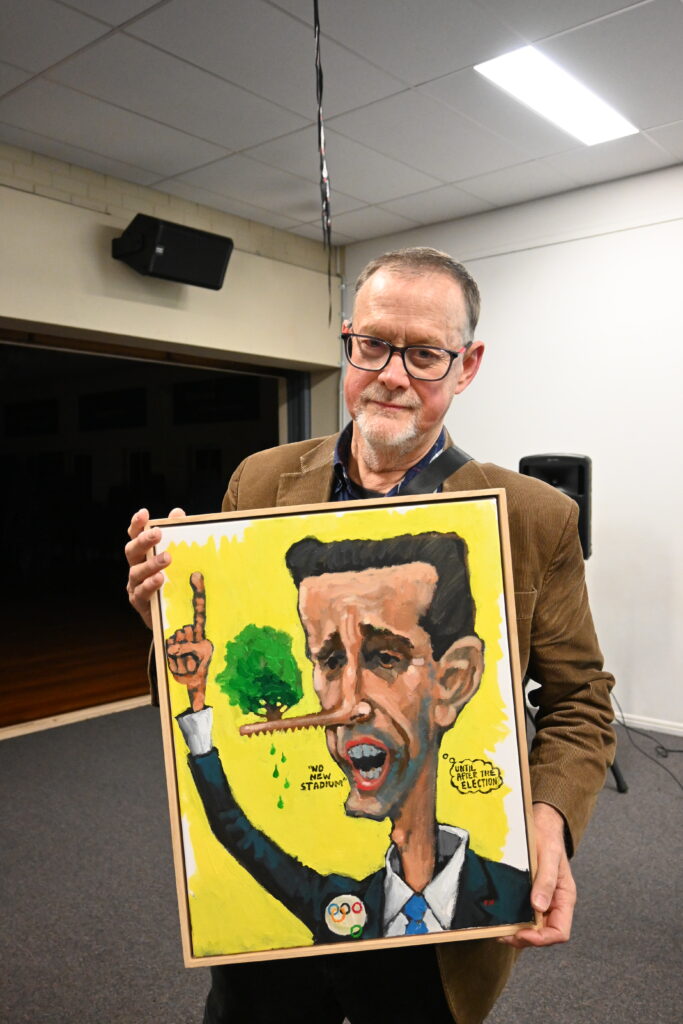
Ms Bremner called the plans “development by stealth” and said they expect the stadium and its intrusion into parkland to be much bigger than so far touted, with a warm-up track, a concourse, pedestrian walkways, parking and security infrastructure not yet detailed on the publicly available designs.
Mr Camping added that he believes an “optimism bias” is at play, distorting the government’s projections of what they will be able to achieve before a rapidly-approaching 2032.
He noted that even once the stadium has been built, time must be factored in for adjustments.
The Sydney Olympic Stadium was functional for 18 months before it hosted the Olympics, giving planners time to test the venue.
At the time of print, 584 emails protesting the stadia in the park had been sent to the IOC.
You can send your own email to the IOC here: sealchongwah.com/telltheioc